
Himalayan Spurge
Euphorbia wallichii
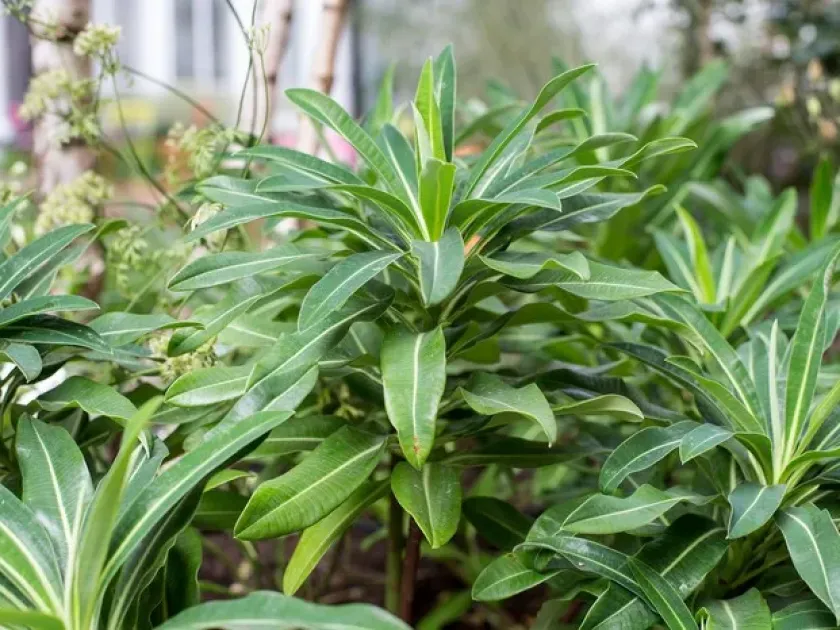
Description
Growing requirements
Euphorbia wallichii, commonly known as Himalayan Spurge, is a robust herbaceous perennial belonging to the Euphorbiaceae family. Native to the Himalayan region, including parts of India, Nepal, and Afghanistan, this plant is highly regarded in horticulture for its structural beauty and impressive golden-green bracts.
This species thrives in well-drained, nutrient-rich soils that maintain consistent moisture levels without becoming waterlogged. Ideal soil pH ranges from slightly acidic to neutral, and the addition of organic compost during the planting phase significantly boosts the vigor of the plant.
Regarding climatic requirements, Himalayan Spurge prefers sunny exposures but performs exceptionally well in partial shade, especially in warmer climates where protection from the harsh afternoon sun prevents leaf scorch. It is remarkably hardy and can withstand cold winter temperatures typical of its mountainous origin.
The agronomic management involves regular maintenance, such as removing spent flower stems after the blooming period to encourage foliage growth. Watering should be deep and infrequent, allowing the top layer of soil to dry out between applications to ensure the longevity of the root system.
In terms of propagation, Euphorbia wallichii is best multiplied by dividing the rootstock in early spring or autumn. This method allows for the expansion of existing stands while maintaining the characteristic vertical habit and architectural appeal that makes this plant a landscape favorite.
Main diseases and pests
Root rot is the most significant threat to the health of Euphorbia wallichii, usually triggered by poor soil drainage. Implementing a proper drainage system or planting on slightly raised beds can prevent water stagnation and the subsequent decline of the plant.
Aphids are the primary insect pests affecting the tender shoots and developing bracts. While the milky sap of the plant acts as a deterrent for many herbivores, chemical intervention with selective insecticides may be necessary if aphid populations exceed the economic threshold.
Powdery mildew can appear during seasons with high humidity and poor airflow. Managing plant density and ensuring sufficient spacing between specimens is an effective cultural practice to minimize the risk of spreading fungal spores across the garden.
Rust infections, characterized by orange pustules on the undersides of the leaves, require proactive management. Removing affected foliage and applying appropriate fungicidal treatments can keep the infestation under control and maintain the overall health of the specimen.
Slugs and snails may target the succulent growth during damp weather. Using physical barriers such as copper tape or coarse organic mulch can deter these pests, protecting the plant from disfigurement and potential secondary infections at the wound sites.