
Euphorbia vulcanorum
Euphorbia vulcanorum
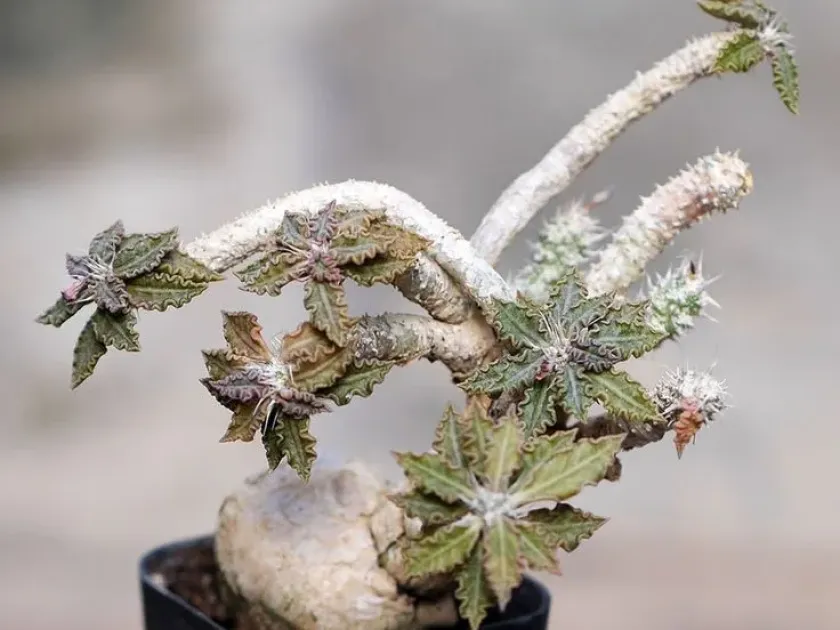
Description
Sowing dates
Cultivation of Euphorbia vulcanorum begins with selecting high-quality seeds that are best sown in a warm, sterile environment to ensure rapid germination.
The ideal sowing medium consists of a well-draining mixture of coarse sand and vermiculite, which prevents the seeds from becoming waterlogged and rotting.
Sowing depth should be minimal, as the seeds require sufficient light to trigger the germination process, usually occurring within a period of three to six weeks.
Temperature control is crucial during the early stages; keeping the seed trays at a constant temperature of 23-25 degrees Celsius promotes even development.
Once the seedlings reach a transplantable size, they must be handled with care to avoid damaging the sensitive roots before they are moved to individual containers.
Growing requirements
As a member of the Euphorbiaceae family, Euphorbia vulcanorum is specialized for environments characterized by limited moisture and high thermal fluctuations.
Soil requirements are strict: the substrate must be highly porous and mineral-based, providing excellent drainage to avoid any accumulation of water in the root zone.
Agricultural management requires minimal irrigation cycles; the growing medium should be allowed to dry out completely between waterings to mimic natural cycles.
The plant demonstrates a high demand for solar radiation, needing at least six to eight hours of direct sunlight per day to maintain its structural integrity.
Environmental conditions should be carefully monitored, as extreme humidity combined with low temperatures can lead to physiological stress and plant decline.
Main diseases and pests
Root rot is the most significant threat to the health of Euphorbia vulcanorum, usually triggered by improper substrate drainage or excessive atmospheric humidity.
Pests such as spider mites and mealybugs can pose a serious risk to the plant tissue, particularly when the airflow in the cultivation area is stagnant.
In cases of infestation, the application of specialized horticultural oils or systemic insecticides is recommended to eliminate the pest pressure efficiently.
Fungal infections, which manifest as dark spots on the stems, require immediate isolation of the plant and the application of broad-spectrum fungicides.
Strict hygiene in the cultivation environment, including the sterilization of tools, is the best prevention method against the spread of potential pathogens.
Harvesting
While primarily cultivated for ornamental purposes, the management of Euphorbia vulcanorum requires specific timing for the collection of propagation materials.
Seeds are harvested when the seed pods begin to show signs of browning and fragility, which indicates that the seeds inside are fully mature and viable.
Collectors must anticipate the dehiscent nature of the pods by enclosing the ripening inflorescences in breathable bags to catch the seeds upon dispersal.
Stem cuttings used for vegetative propagation should be allowed to callous for several days in a dry area before being placed in a rooting medium.
Handling the plant requires safety gear due to the presence of a milky, toxic latex that can cause skin irritation, requiring cautious maintenance practices.