
Euphorbia tulearensis
Euphorbia tulearensis
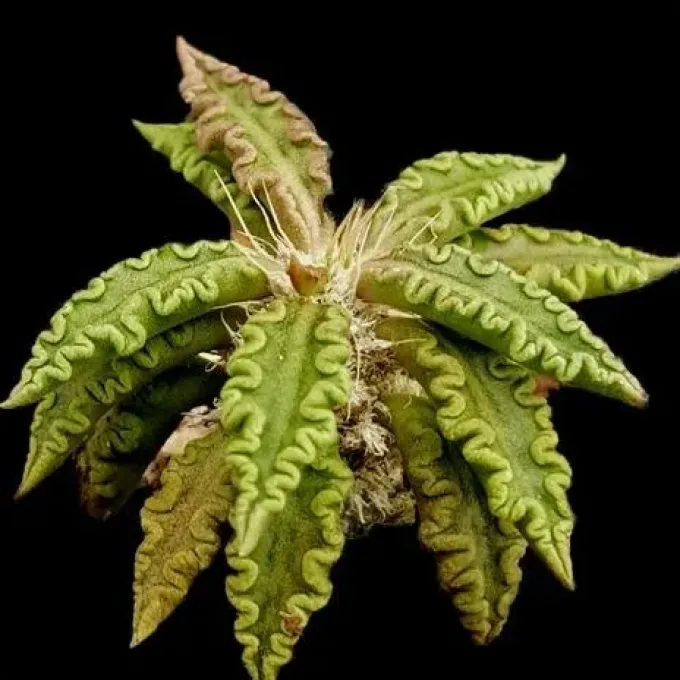
Description
Growing requirements
Euphorbia tulearensis is a highly sought-after caudiciform succulent belonging to the Euphorbiaceae family. Native to the arid regions of southwestern Madagascar, it is a specialized plant adapted to thrive in rocky, well-draining limestone soils.
The plant features a distinct, swollen underground caudex that stores water, supporting its survival in extreme drought conditions. Its aerial stems are relatively short and exhibit interesting patterns of branching and foliage.
To ensure healthy development, provide full, intense sunlight throughout the year. High light levels are crucial to maintain the plant's natural compact shape and prevent abnormal elongation of the stems, which can weaken the specimen over time.
The growing medium must prioritize drainage above all else. A professional mix should consist of a high percentage of pumice, perlite, and coarse sand combined with a small amount of organic substrate to mimic its natural mineral-heavy habitat.
Watering requirements are strictly seasonal. During the warmer growing season, water deeply but infrequently, ensuring the soil dries out completely. In winter, maintain a dry state to induce dormancy, which is vital for the plant's long-term health.
Main diseases and pests
The most significant threat to Euphorbia tulearensis is root and stem rot. This is almost exclusively caused by excessive moisture levels in the substrate or improper watering during the cool season, which quickly compromises the integrity of the caudex.
Mealybugs are the primary pest concern for this species. They often hide in the crevices of the stem or between the small leaves. Early detection is key; manual removal with a cotton swab dipped in alcohol is often effective for minor infestations.
Spider mites may occasionally occur if the surrounding air is exceptionally hot and dry for prolonged periods. Increasing air circulation or using targeted acaricides can help manage or prevent mite outbreaks in a collection setting.
The plant produces a milky, toxic latex when damaged. While this substance provides some natural defense against herbivores, human handlers must exercise caution and wear protective gear to avoid skin irritation or accidental contact with eyes.
Mechanical injuries or poor air circulation can lead to secondary fungal infections. Always ensure that the plant is placed in an area with good ventilation to keep the humidity around the leaves and stems at a moderate, healthy level.