
Euphorbia trichotoma
Euphorbia trichotoma
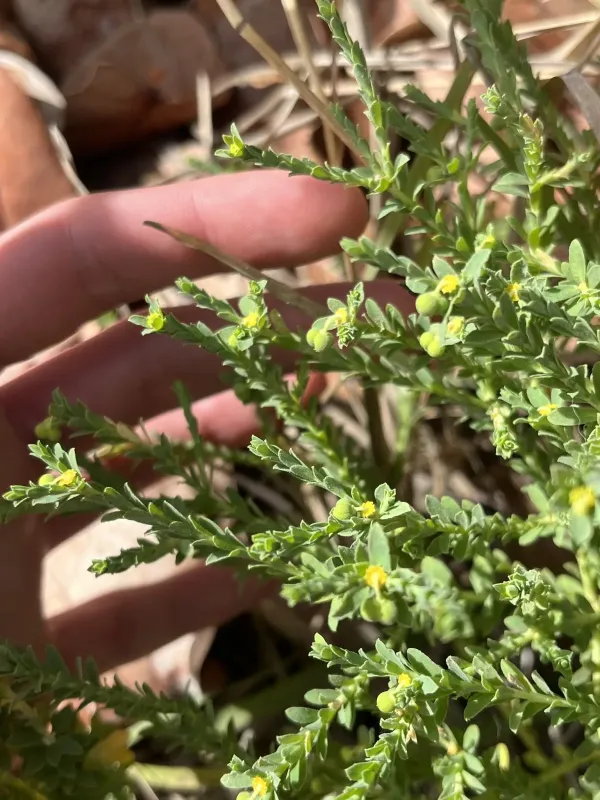
Description
Growing requirements
Euphorbia trichotoma is a perennial shrub species belonging to the Euphorbiaceae family, native to the coastal habitats of the Caribbean and parts of North America. It is specifically adapted to survive in harsh maritime environments, thriving on limestone soils and sand dunes.
This plant species requires a high-drainage, porous soil mix to mimic its natural coastal environment. Growers should avoid nutrient-rich soils, as the plant is adapted to sparse substrates and excessive fertilization may lead to weak, succulent growth that is prone to breakage.
Light requirements for Euphorbia trichotoma are high; it demands full sun exposure to maintain its compact, dichotomous branching pattern. In lower light conditions, the plant will etiolate, losing its architectural integrity and becoming susceptible to stress.
Watering practices must be strictly controlled, as the plant possesses a highly efficient water-retention mechanism within its tissues. It is essential to allow the growing medium to dry out completely before applying water, especially during the cooler dormant seasons.
The plant demonstrates a remarkable tolerance to saline conditions and wind, making it an excellent candidate for specialized succulent collections. While not traditionally used for large-scale crop production, its resilience makes it a subject of interest for xeric landscaping in frost-free regions.
Main diseases and pests
The primary threat to the health of Euphorbia trichotoma is root rot, typically caused by waterlogged soil conditions. Proper soil aeration is crucial to prevent the proliferation of pathogenic fungi that inhabit damp, stagnant growing mediums.
Insect pests, such as mealybugs and spider mites, are common concerns when growing this plant in greenhouses or indoor environments. Periodic inspection of the stems and branch intersections is necessary to identify and treat infestations before they become systemic.
Like many species within the Euphorbia genus, this plant contains a milky, toxic latex that can cause severe skin irritation and ocular damage. Users should wear protective gloves and avoid touching their face while handling or pruning the plant to ensure safety.
Fungal leaf spots can occur during periods of high humidity and stagnant air. Maintaining a consistent airflow around the plant helps to reduce the incidence of such infections and keeps the foliage dry and healthy.
Proper sanitation, including the sterilization of pruning tools between uses, is essential when managing Euphorbia trichotoma. This practice effectively minimizes the risk of transferring pathogens from one plant to another during maintenance or propagation activities.