
Euphorbia trichadenia
Euphorbia trichadenia
Description
Growing requirements
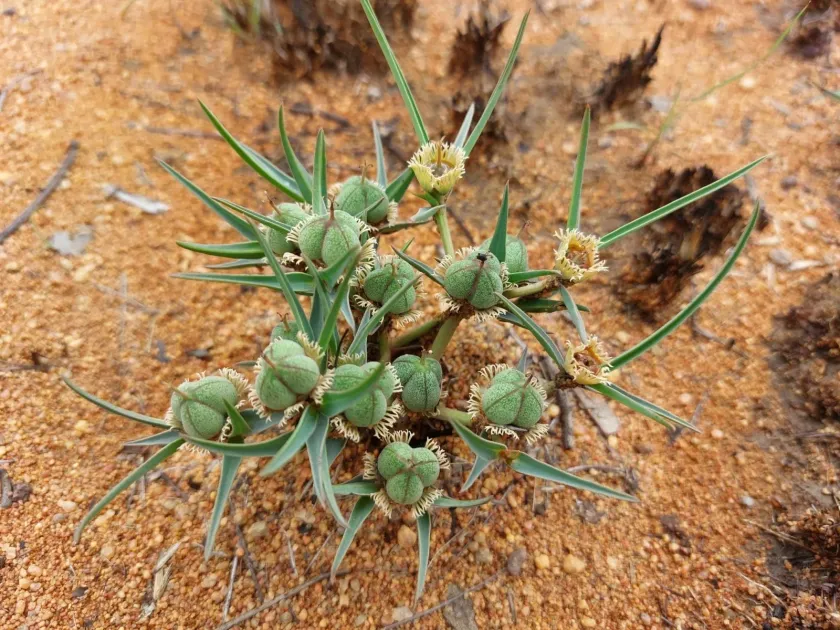
Euphorbia trichadenia is a fascinating species belonging to the Euphorbiaceae family, recognized primarily for its geophytic nature. The plant features a significant underground caudex, an evolutionary adaptation that serves as a vital water storage organ, enabling the plant to thrive in the harsh, arid environments of its native southern and tropical African regions.
In terms of habitat, this species is typically found in well-draining rocky soils and open savannah areas. These environments are characterized by a distinct seasonality, with alternating periods of high rainfall and extreme drought, which dictates the biological rhythm and dormancy cycle of the plant in domestic cultivation.
Successful cultivation relies heavily on providing a growing medium with exceptional porosity. A standard succulent potting mix, amended with a high ratio of coarse sand, perlite, and fine gravel, is essential to prevent moisture accumulation near the caudex. Proper drainage is the most critical factor in preventing plant failure.
The plant requires high light intensity throughout the growing season to maintain its compact form. During the dormant period, it is crucial to move the plant to a cooler location and significantly reduce or entirely withhold water to prevent unwanted elongation or etiolation, which can weaken the overall structural integrity of the succulent.
From a horticultural standpoint, Euphorbia trichadenia is primarily managed as a collector's specimen. Its sap, typical of the genus, contains complex latex compounds that can cause skin and eye irritation. Therefore, all maintenance tasks, such as pruning or repotting, should be performed with appropriate protective gear.
Main diseases and pests
The most severe threat to Euphorbia trichadenia is rot caused by pathogens such as Phytophthora or Pythium, usually triggered by overwatering or stagnant air circulation. Since the caudex is mostly subterranean, symptoms of decay may not be visible until the rot has progressed significantly, making preventative watering habits paramount.
Common pests associated with this species include mealybugs and scale insects, which often hide in the crevices of the stem base or around the growing points. Integrated pest management, focusing on regular monitoring and the use of targeted systemic insecticides, is the most effective way to protect the collection from these infestations.