
Euphorbia triangularis
Euphorbia triangularis
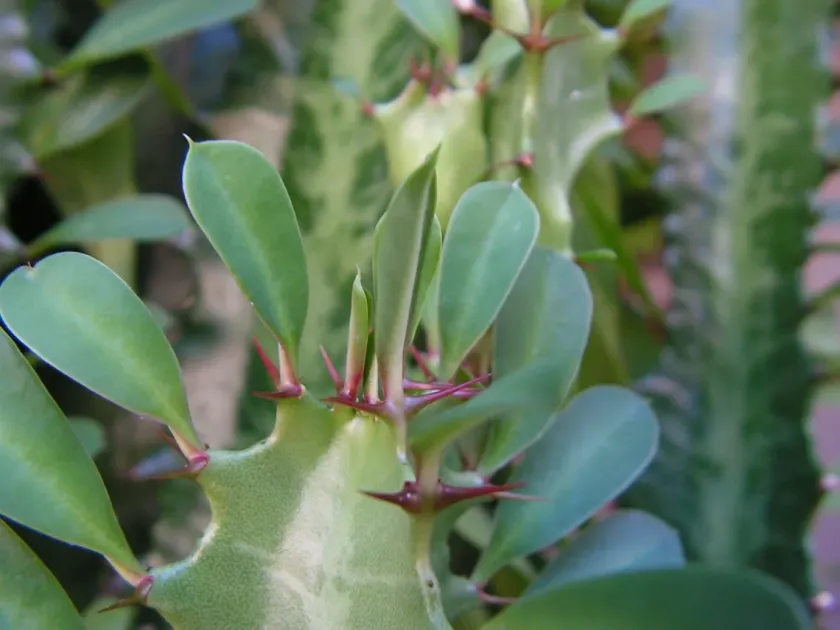
Description
Growing requirements
Euphorbia triangularis is a succulent plant species within the Euphorbiaceae family. Originating from the diverse landscapes of Southern Africa, this plant has adapted to survive in harsh, sun-exposed environments with limited water availability.
To cultivate this species effectively, one must provide bright, indirect sunlight, though established plants can tolerate direct sun exposure. Adequate light is crucial for maintaining the plant's characteristic triangular shape and structural integrity.
The substrate must be highly porous to ensure rapid drainage. A mixture containing pumice, coarse sand, and a small amount of potting compost is standard practice. This prevents root asphyxiation during the occasional watering sessions.
Temperature management is key to preventing physiological stress. The plant thrives in warm conditions, ideally between 20°C and 30°C. During the winter months, temperatures should be kept above 12°C to prevent cold-related cell damage.
Watering requirements follow the seasonal cycle. In the growing season, water deeply but allow the soil to dry out completely between applications. During dormancy, water should be strictly limited to avoid encouraging spindly, weak growth.
Main diseases and pests
The most significant threat to Euphorbia triangularis is waterlogging, which inevitably leads to fungal rot in the roots and stems. The plant’s tissues hold high volumes of water, making them highly susceptible to rapid decay when moisture levels are excessive.
Insect pests such as spider mites, mealybugs, and scale insects frequently infest these plants. These pests feed on the nutrient-rich sap, often leaving visible damage to the plant's epidermis and potentially introducing secondary viral infections.
Control strategies involve immediate isolation of affected specimens. Physical removal of mealybugs using alcohol-soaked swabs combined with systemic insecticides is typically the most effective method for managing infestations.
When pruning or dealing with structural damage, caution is required. The plant contains a toxic, milky latex that can irritate the skin and eyes, necessitating the use of gloves and protective eyewear during handling.
To maintain long-term health, regular inspection of the base and the junction between stems is required. Early detection of soft spots or discolored patches can save the entire plant from total systemic failure due to rot.