
Euphorbia tortilis
Euphorbia tortilis
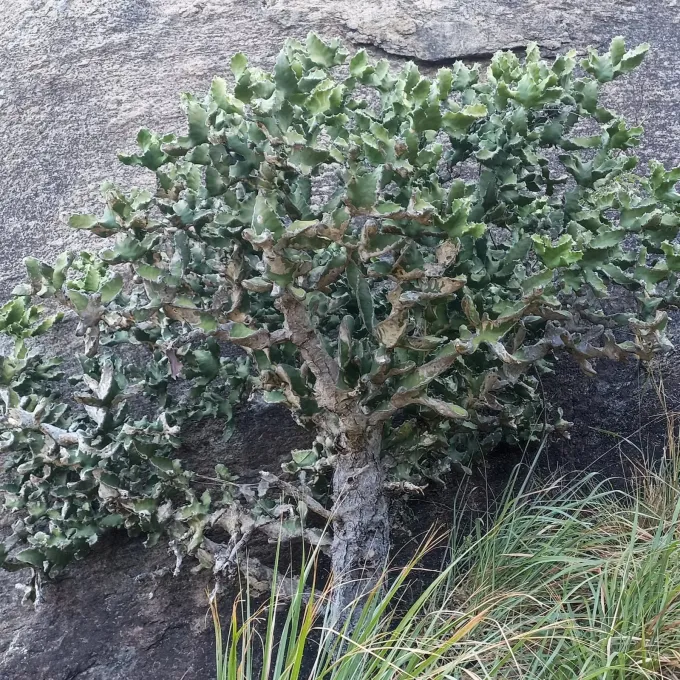
Description
Growing requirements
Euphorbia tortilis is a member of the Euphorbiaceae family, recognized for its distinct, twisted, corkscrew-like stems. Native to India, this plant is a slow-growing succulent that thrives in arid environments where traditional agricultural crops might struggle.
This species requires high levels of indirect light to maintain its structural integrity and color. It performs best in temperatures ranging from 20 to 30 degrees Celsius, mimicking the warm, tropical conditions of its natural habitat in Southern Asia.
The soil requirements focus on exceptional drainage. A mix comprising coarse sand, pumice, and minimal organic matter is ideal for preventing water stagnation, which is the primary cause of failure in cultivating this specific succulent.
Watering frequency should be minimal. During the active growth season, water should only be applied when the substrate is completely dry to the touch. During the winter months, the plant undergoes a dormant period and requires almost zero irrigation to prevent root rot.
Proper airflow is critical for this species. Cultivation in stagnant, humid environments often leads to structural deformities and fungal outbreaks, making climate control and ventilation key components of a successful agricultural or nursery practice.
Main diseases and pests
Root rot caused by overwatering is the most significant threat to Euphorbia tortilis. Once the roots begin to decay, the infection quickly travels upward through the stems, often resulting in total plant loss if not identified immediately.
Pests such as mealybugs and spider mites frequently target the plant, hiding within the tight spirals of the stems. Their feeding activity causes yellowing, deformation of new growth, and overall decline in plant vigor.
To manage pest infestations, horticultural oils should be avoided in favor of systemic insecticides that are safe for succulent tissues. Early detection via visual inspection of the stem crevices is essential for effective control.
Fungal infections, often manifesting as black spots or mushy tissue, require immediate surgical removal of the affected areas. Following removal, the site must be treated with a fungicide and allowed to callous over in a dry environment.
Maintaining a clean growing area and ensuring that all containers have functional drainage holes are the primary preventive measures against biological threats. Avoiding cross-contamination between specimens is essential for larger collections.