
Euphorbia tetragona
Euphorbia tetragona
Description
Growing requirements
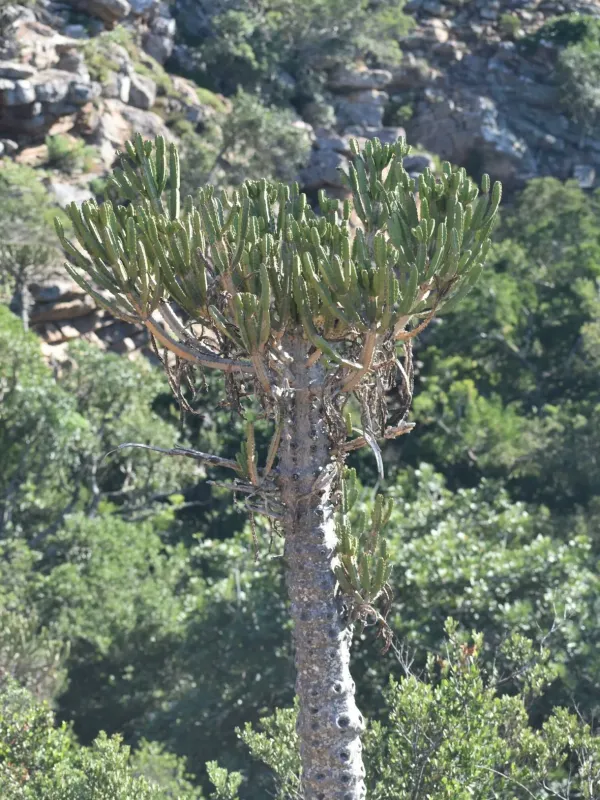
Euphorbia tetragona is a succulent species belonging to the Euphorbiaceae family. This shrub-like plant is known for its rigid, four-angled stems that feature deep ribs, which provide a distinct architectural appearance suitable for interior landscaping and specialized collections.
Originating from the subtropical regions of South Africa, specifically parts of KwaZulu-Natal and the Eastern Cape, this plant thrives in open, sunny habitats. It is cultivated globally as a specimen plant, appreciated for its endurance and sculptural aesthetic in various indoor settings.
The culture requires high light intensity to maintain its compact habit and vibrant green coloration. While it adapts to various light levels, providing full sun or bright filtered light is essential to avoid etiolation and ensure the structural integrity of the branching system.
Soil requirements focus on extreme drainage and low moisture retention. A standard potting mix for Euphorbia tetragona typically involves a high percentage of inorganic amendments such as pumice, coarse sand, or volcanic rock, preventing the soil from becoming waterlogged.
Optimal growth occurs at temperatures ranging from 20°C to 30°C. During the dormant winter season, it is recommended to decrease watering and allow the plant to experience cooler temperatures, which mimics its natural seasonal cycle and encourages long-term health.
Main diseases and pests
The most significant threat to Euphorbia tetragona is root rot caused by poor drainage or overwatering. Persistent moisture around the root collar can lead to rapid decay, often necessitating surgical intervention or propagation from healthy cuttings to save the specimen.
Pests like mealybugs and spider mites frequently target the plant, congregating in the deep grooves of the stems. Their presence is often identified by white cottony masses or yellowing spots on the epidermis, which can weaken the plant and reduce its aesthetic value.
Effective management strategies include manual removal using alcohol-soaked swabs for light infestations and the application of systemic pesticides for more severe cases. Maintaining good air circulation is a key preventive measure against mite colonization.
The plant produces a caustic, milky latex sap, which is a defensive mechanism against herbivores. Direct contact with skin or eyes can cause significant irritation, so protective gear is advised during pruning or repotting activities to avoid accidents.
To keep the plant disease-free, it is crucial to avoid splashing water directly onto the stem surfaces during the colder months. Establishing a consistent, dry winter rest period is the best strategy to reinforce the plant's resistance to typical fungal and bacterial pathogens.