
Euphorbia teke
Euphorbia teke
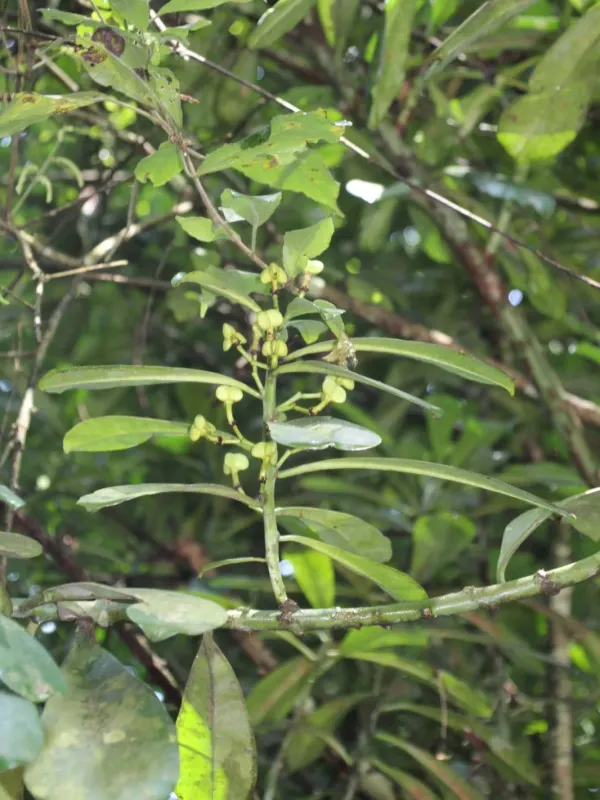
Description
Growing requirements
Euphorbia teke belongs to the Euphorbiaceae family. This perennial herbaceous plant is native to the arid regions of Central Asia, particularly Turkmenistan, where it has evolved to thrive in challenging environmental conditions.
The plant is known for its extreme xerophytic nature, which allows it to withstand intense heat and prolonged water scarcity. It features a robust root system capable of penetrating deep soil layers to access moisture unavailable to many other crops.
In terms of soil requirements, Euphorbia teke is not particularly demanding. It grows best in sandy or sandy-loam soils that offer excellent aeration. It is also notably tolerant of saline conditions, making it suitable for cultivating on marginal lands.
Abundant sunlight is crucial for the optimal development of this crop. It thrives in open, exposed areas where high solar radiation facilitates the active accumulation of biomass and necessary secondary metabolites within the plant tissues.
Agronomic management focuses on minimal soil disturbance to maintain natural structure. Proper spacing between plants is vital to prevent competition for resources, as excessive density can reduce the individual vigor and productivity of the specimens.
Yield
The economic potential of Euphorbia teke is based on its latex, which contains significant amounts of hydrocarbon-like substances and oils. Historically, the plant has been evaluated as a sustainable source of raw material for industrial applications.
The biochemical composition of the stems and roots includes various resins and terpenoids. Depending on the agricultural environment, the yield of dry biomass can be substantial, provided the plants are established under optimal conditions.
Euphorbia teke is also viewed as a genetic resource for breeding programs aimed at developing high-yield hybrids. This research is particularly relevant for sectors looking into renewable raw materials and biofuels.
Yield stability is largely dependent on precipitation patterns during the spring growing season, which allows the plant to store deep-soil moisture. Even in arid years, its survival mechanisms ensure consistent output, unlike more sensitive crops.
Industrial harvesting requires specialized techniques to extract latex without damaging the plant structure. This approach allows for sustainable, multi-season extraction, maximizing the overall economic output of the plantation.