
Euphorbia tauricola
Euphorbia tauricola
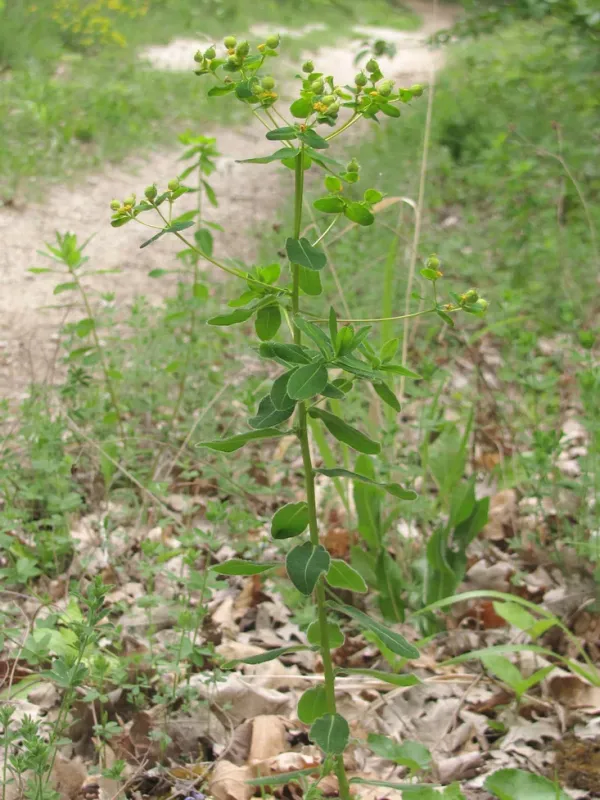
Description
Growing requirements
Euphorbia tauricola belongs to the diverse Euphorbiaceae family. This perennial herb is native to the Crimean region, thriving in specific ecological niches where it has adapted to Mediterranean and semi-arid conditions over centuries of evolution.
The plant requires well-drained, sandy or stony soils to flourish. It is highly drought-tolerant, utilizing its robust root system to access deep water reservoirs, which makes it suitable for regions with limited irrigation resources.
Optimal growth conditions involve high levels of solar radiation throughout the growing season. The plant performs best in open, sunny environments where soil temperatures remain consistently warm and free from excessive moisture retention.
Temperature resilience is a key characteristic of this species. It can withstand significant heat, but it requires protection from waterlogging, particularly during the winter dormancy period when soil saturation can lead to root rot.
Field management requires careful soil cultivation to ensure aeration. Since the plant is sensitive to compaction, mechanical weeding should be done with minimal disturbance to the primary root mass to promote healthy development.
Main diseases and pests
Fungal diseases, specifically powdery mildew and root rot, represent the primary biological threats to the crop. These conditions are typically triggered by improper irrigation schedules or poorly drained field sites that create stagnant air.
Pests such as aphids and spider mites are frequent invaders of the foliage. These insects feed on the sap, causing significant stress to the plant and potential stunted growth if their populations are not managed efficiently.
Effective control strategies include the use of preventive fungicides during periods of high humidity. It is essential to ensure that any chemical application is targeted to avoid harming beneficial microorganisms in the soil.
Pest management should focus on cultural practices, such as maintaining weed-free fields and ensuring adequate spacing between plants to improve airflow. This approach helps reduce the need for intensive insecticide applications.
Early identification of infestation symptoms is vital for crop protection. Growers should implement regular monitoring protocols to identify potential threats before they reach an economic threshold that requires extensive treatment.