
Euphorbia taboraensis
Euphorbia taboraensis
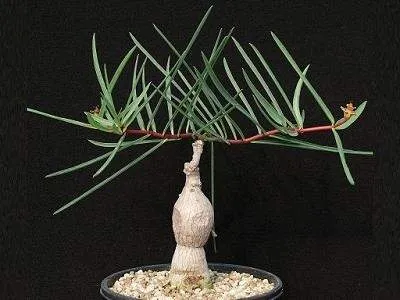
Description
Sowing dates
Sowing Euphorbia taboraensis requires soil temperatures that support rapid germination and early growth of the seedlings.
The optimal planting window is aligned with the onset of the wet season to ensure sufficient natural irrigation for the crop.
Precision seeding equipment is recommended to maintain the spacing required for the development of individual plants.
Placement of seeds should be shallow, typically no deeper than 3 centimeters, to facilitate quick emergence of the sprouts.
Farmers often treat seeds with bio-stimulants to increase vigor before placing them into prepared, well-tilled seedbeds.
Growing requirements
This species belongs to the Euphorbiaceae family, which is known for its remarkable resilience to harsh environments.
Well-drained soils, specifically sandy loams, are ideal for minimizing the risk of root rot during peak growth phases.
Euphorbia taboraensis thrives in regions with intense solar radiation, as it is a highly photophilous plant.
The plant demonstrates superior drought tolerance, making it a viable candidate for arid and semi-arid agricultural zones.
Minimal nutrient supplementation is required, though phosphorus application during early stages can enhance root system density.
Main diseases and pests
The primary agricultural threats to this crop are soil-borne pathogens associated with poor drainage conditions.
While the latex of the plant provides defense against most insects, certain pests may exploit weakened plants in low-light conditions.
Good field sanitation practices are essential to prevent the spread of fungal diseases that can compromise the plant's health.
Weed competition during the seedling stage is the most significant hurdle that requires mechanical intervention.
Integrated pest management strategies focused on crop rotation have proven to be the most effective way to maintain yield stability.
Harvesting
Harvesting is typically initiated as the seed pods begin to dry and change color, indicating physiological maturity.
Care must be taken to avoid harvesting during peak heat to prevent excessive shattering of the seed capsules in the field.
The collected plant matter must be threshed to separate the seeds effectively from the fibrous protective layers.
Proper drying of the harvest is critical to prevent mold growth, especially if humidity levels are elevated at the time of collection.
Final storage should occur in climate-controlled environments to preserve the chemical integrity and oil content of the seeds.