
Euphorbia susannae
Euphorbia susannae
Description
Growing requirements
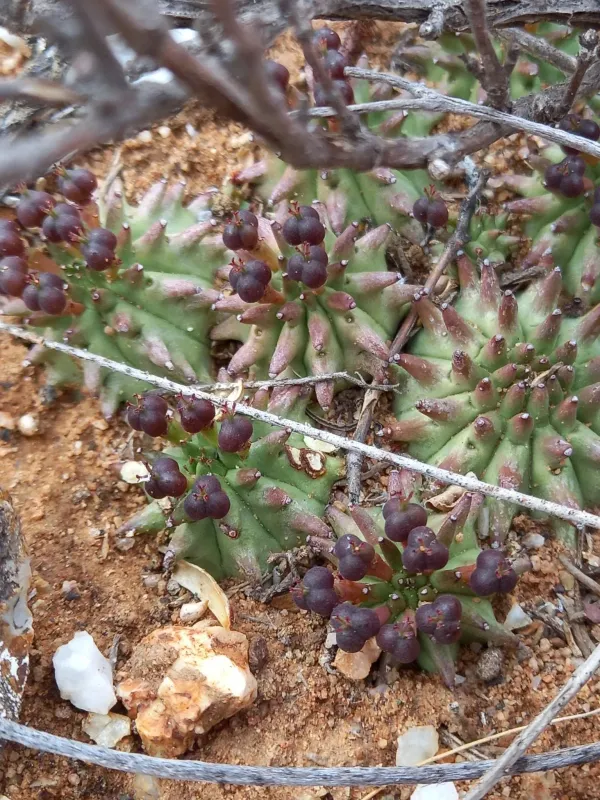
Euphorbia susannae is a fascinating succulent species belonging to the Euphorbiaceae family. It is recognized for its clump-forming growth habit, consisting of numerous small, club-shaped stems that create a dense, low-growing cluster.
Native to the arid regions of South Africa, this species is perfectly adapted to desert environments. Its botanical structure allows it to survive long periods of drought, which is a key characteristic for enthusiasts of desert flora.
To cultivate this plant successfully, it requires a significant amount of bright, indirect sunlight. While it appreciates high light levels, protection from harsh, direct midday sun is advised to prevent discoloration or scorched tissues on the stems.
The soil requirements are strict: the medium must be highly porous and inorganic. A professional succulent mix amended with additional pumice or grit is recommended to ensure that water drains away from the roots almost immediately.
Watering should be approached with extreme caution, particularly in winter. During the growth season, it should be watered thoroughly but allowed to dry out completely between sessions to maintain a healthy root system.
Main diseases and pests
The primary threat to Euphorbia susannae is root rot, which typically occurs due to overwatering or planting in soil that retains too much moisture for an extended period.
Pest infestations such as mealybugs can pose a serious problem, as the dense nature of the plant stems provides perfect hiding spots for these insects to colonize and reproduce.
Spider mites are another common issue, especially in environments with low humidity, and they can quickly damage the skin of the succulent, causing unsightly scarring.
To protect the plant, regular inspections are necessary. Any sign of softening or discoloration at the base of the stems should be addressed immediately by checking the root system.
Maintaining good airflow around the plant helps reduce the risk of both fungal infections and potential pest outbreaks, making the cultivation process significantly more manageable.