
Euphorbia subsalsa
Euphorbia subsalsa
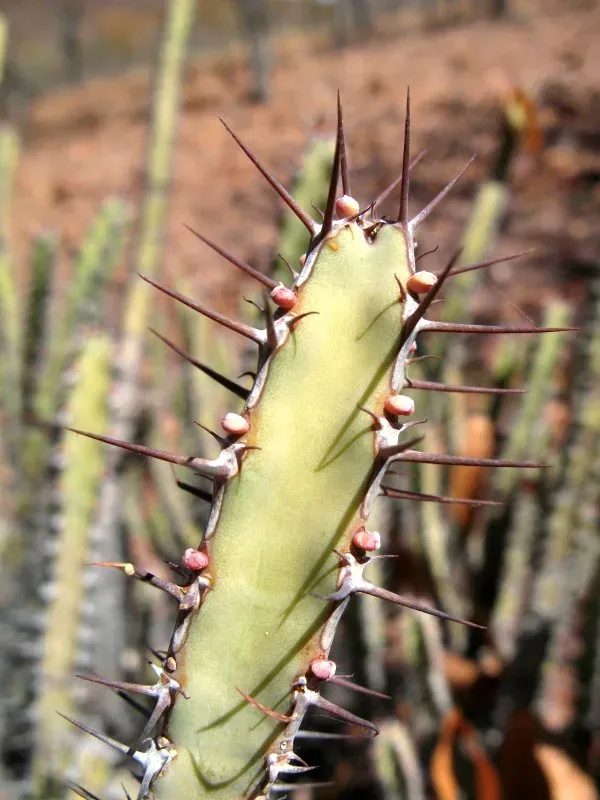
Description
Growing requirements
Euphorbia subsalsa is a succulent shrub belonging to the Euphorbiaceae family, recognized for its exceptional resilience in arid and saline environments. Native to dry regions, it has developed specialized mechanisms to survive long-term drought conditions.
Botanically, the plant features fleshy, branching stems that store water efficiently. The reduction of leaf surface area is a key adaptation to limit transpiration in high-heat environments where water loss must be strictly regulated to ensure survival.
Regarding soil and site requirements, this plant thrives in well-draining, mineral-rich soils. Its ability to tolerate high salinity levels makes it a unique candidate for ecological studies and potential land reclamation projects in degraded areas.
The climate requirements include high temperatures and intense solar radiation. The plant is poorly adapted to high humidity or frequent precipitation, which can cause internal decay if the substrate does not drain rapidly.
In terms of agricultural use, while not a commercial crop in the traditional sense, Euphorbia subsalsa serves as a biological model for drought and salinity resistance research, providing insights into the genetic pathways that help plants survive harsh, desert-like conditions.
Main diseases and pests
The primary threats to Euphorbia subsalsa are fungal infections caused by excess moisture. Root rot is the most common issue, typically resulting from water stagnation in the root zone or poorly ventilated planting environments.
Pest pressures often involve sap-sucking insects like mealybugs and spider mites. These pests thrive in stagnant air and can cause significant damage if left untreated, draining the plant's vital nutrient reserves.
The plant employs a potent chemical defense system in the form of a caustic latex sap. This substance is highly irritant and toxic to most mammalian herbivores and many insects, significantly reducing the frequency of natural pest outbreaks.
Proactive management of these threats involves precise irrigation control and ensuring optimal spacing between plants to maximize airflow and minimize the humidity levels that pathogens prefer.
Chemical treatments should be used sparingly and only when necessary, targeting specific pests identified during regular monitoring. Proper environmental management remains the most effective strategy for preventing disease in this hardy species.