
Euphorbia striata
Euphorbia striata
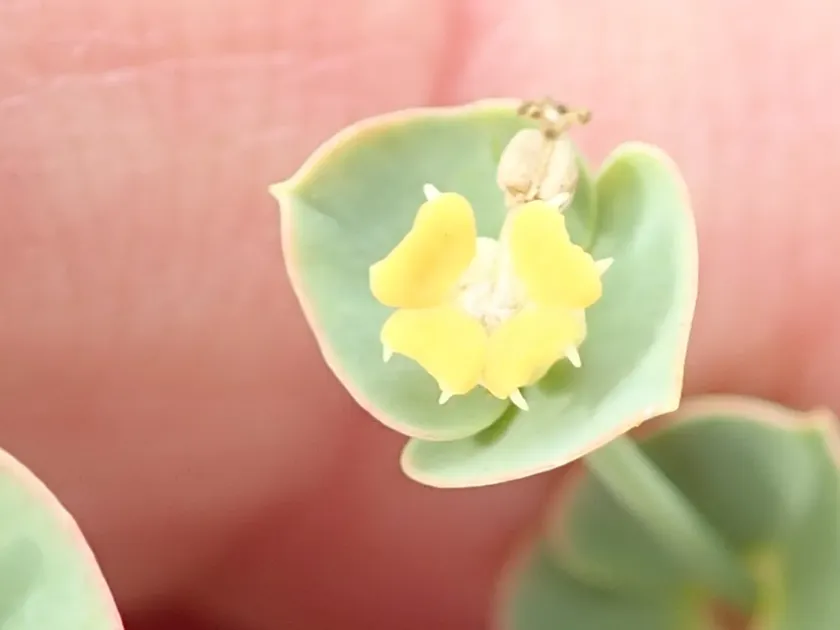
Description
Growing requirements
Euphorbia striata is a notable species within the diverse Euphorbiaceae family. Originating from tropical and subtropical regions of Africa, this perennial herb is characterized by its specific morphological traits.
This crop thrives in well-lit environments, requiring high solar exposure to maintain its metabolic functions. In controlled agricultural settings, it is essential to mimic these light conditions for optimal development.
The soil requirements for Euphorbia striata focus on excellent drainage and aeration. It performs best in sandy or loam-based substrates that prevent the waterlogging of the root zone.
Climate conditions are critical, with an ideal temperature range between 20°C and 28°C. The plant exhibits high sensitivity to frost and excessive moisture, which must be strictly managed during the growing season.
Agronomic practices include regular monitoring of moisture levels. While the plant is drought-tolerant, consistent watering regimes during the primary growth phase significantly increase the biomass yield.
Main diseases and pests
The most common threats to Euphorbia striata are fungal pathogens, specifically those causing root and crown rots. These diseases are primarily triggered by poor soil drainage and stagnant humidity.
Pest management focuses on controlling spider mites and mealybugs, which are the most frequent threats in greenhouse and field conditions. These pests can rapidly affect the plant's physiological condition.
Preventative measures include maintaining adequate spacing between plants to ensure proper air circulation, which significantly reduces the risk of fungal proliferation and infestation.
Chemical control options involve the application of appropriate fungicides and insecticides. It is vital to rotate active ingredients to prevent resistance development in local pest populations.
The milky latex produced by the plant is caustic and toxic. Agricultural workers must wear protective gear during cultivation and harvesting to avoid dermal and mucosal irritation.