
Euphorbia spannringii
Euphorbia spannringii
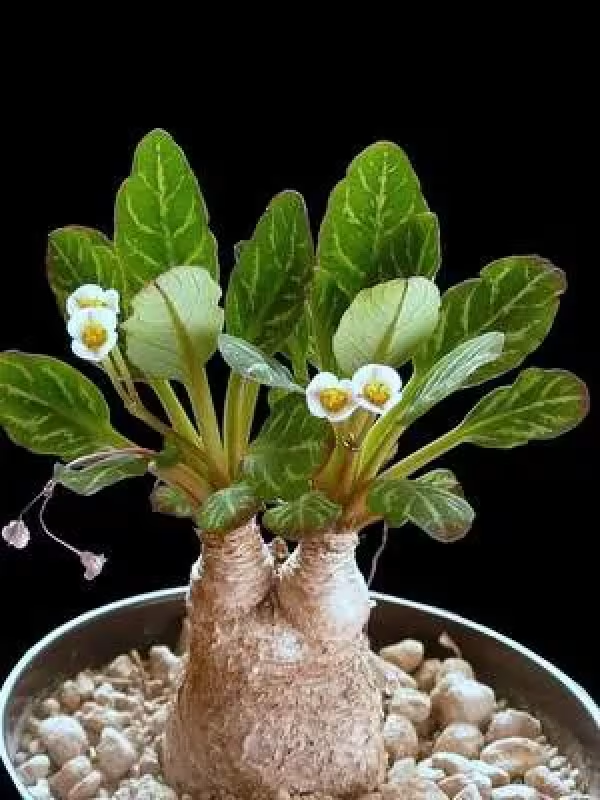
Description
Growing requirements
Euphorbia spannringii is a succulent plant belonging to the Euphorbiaceae family. This species is native to arid regions, exhibiting specialized physiological adaptations for surviving in environments characterized by limited water availability.
The morphology of the plant includes thickened, fleshy stems that serve as water reservoirs. This biological trait allows the crop to maintain metabolic activity even during prolonged drought, provided that thermal conditions remain within the optimal range.
Cultivation requirements necessitate high-drainage substrates, typically composed of coarse sand, perlite, and a small proportion of mineral soil. The primary goal in site selection is to prevent any form of water stagnation in the root zone.
Regarding climatic needs, this crop demands significant solar radiation and consistent warmth. It is highly sensitive to frost, necessitating cultivation in controlled greenhouse environments in temperate regions to prevent irreversible cell damage.
Effective management includes maintaining a dry-cycle regimen throughout the dormant phase. Proper air circulation is essential to prevent moisture accumulation on the surface of the plant, which is crucial for preventing tissue necrosis.
Main diseases and pests
Root rot is the most significant pathological threat to this culture. It is primarily driven by over-irrigation or excessive atmospheric humidity during periods of low light, necessitating strict adherence to irrigation schedules.
Mealybugs are a frequent pest challenge in succulent production. These insects colonize the stem crevices and consume plant sap, which requires integrated pest management approaches and targeted insecticide applications.
Spider mites pose a significant risk, particularly during the hot, dry months. These pests cause chlorotic spotting and stunted growth; management involves monitoring leaf transpiration and applying appropriate acaricides when necessary.
Bacterial infections can be introduced through mechanical damage to the cuticle. Any incisions or wounds should be immediately treated with fungicidal or bactericidal agents to ensure proper healing and prevent systemic infection.
Root-knot nematodes can severely inhibit plant development by compromising root nutrient uptake. Prevention includes the use of pathogen-free soil media and strictly sanitizing all containers used in the propagation and growth process.