
Euphorbia sogdiana
Euphorbia sogdiana
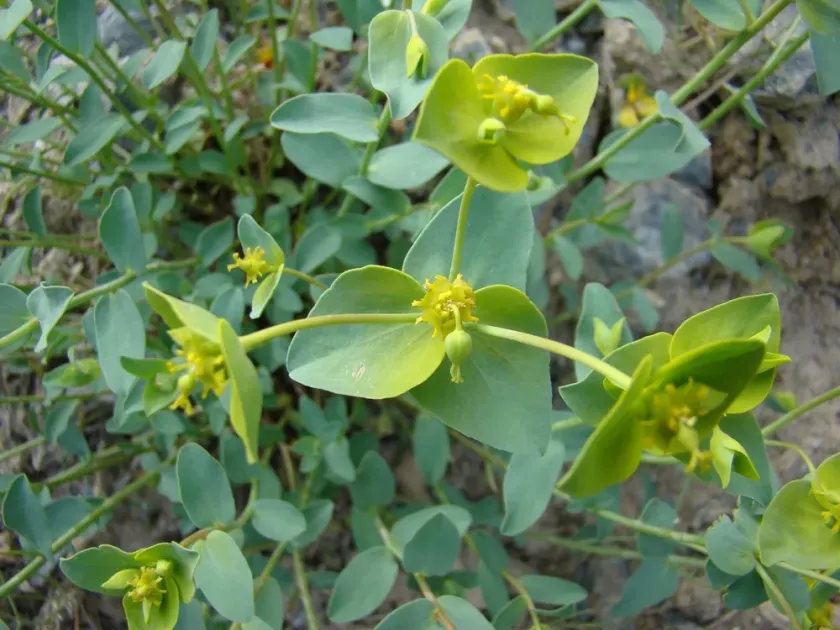
Description
Growing requirements
Euphorbia sogdiana is a perennial herbaceous plant belonging to the Euphorbiaceae family. Originating from the mountainous regions of Central Asia, it is a hardy species well-adapted to high-altitude and arid environmental conditions.
The plant is defined by its deep root system and succulent-like stems, which serve as water reservoirs. This biological adaptation allows the plant to thrive in regions characterized by severe drought and extreme temperature fluctuations.
When cultivating Euphorbia sogdiana, soil quality is paramount. It demands light, highly permeable, rocky, or sandy substrates with excellent drainage. Any moisture stagnation in the root zone is detrimental and leads to physiological stress.
Exposure to direct sunlight is a critical requirement for this species. It is a strictly photophilous plant that requires significant daily solar radiation to maintain its compact growth form and chemical composition.
Agricultural management is relatively simple once the plants are established. The main focus should be on initial weed control and ensuring the soil remains well-aerated throughout the growing season.
Main diseases and pests
Euphorbia sogdiana is naturally protected by a specialized chemical defense mechanism. Its milky latex is toxic to many herbivores, which significantly reduces the risk of insect or rodent infestations.
Despite this, the plant can be susceptible to soil-borne fungal pathogens such as Fusarium spp. or Pythium when cultivated in areas with poor aeration or excessive humidity levels.
In hot, dry summer periods, localized infestations of spider mites or aphids may occur on the youngest tissues. Proper plant spacing is recommended to ensure airflow, which helps reduce the occurrence of such pests.
Pathogen management primarily relies on preventative measures, specifically the maintenance of dry conditions around the root collar and avoidance of high-nitrogen fertilizers that encourage succulent growth prone to infection.
Agricultural workers should be aware that the milky sap contains diterpene esters, which are irritants. Protective equipment should always be worn when handling, pruning, or harvesting the plant material.