
Euphorbia sipolisii
Euphorbia sipolisii
Description
Growing requirements
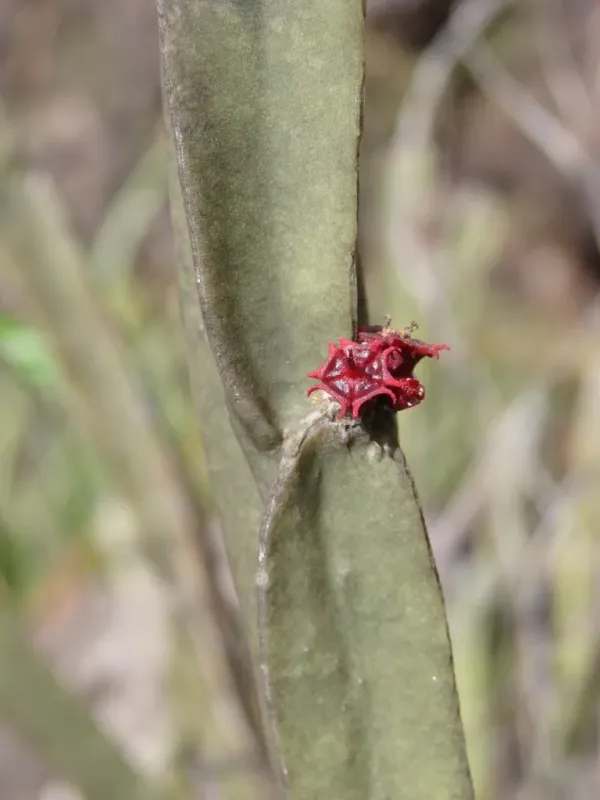
Euphorbia sipolisii is a distinct succulent species classified within the Euphorbiaceae family. Originating from Brazil, this plant is naturally adapted to rocky habitats where it thrives in exposed, arid conditions, showcasing a high tolerance to significant fluctuations in water availability.
The botanical structure of this species includes specialized succulent stems that act as water storage organs. These stems allow the plant to survive extended drought periods by maintaining internal moisture levels, which is a vital physiological adaptation for its survival in native environments.
For successful cultivation, the substrate must be highly porous and mineral-based. The root system of Euphorbia sipolisii is extremely sensitive to moisture retention, necessitating the use of specialized drainage mixes such as volcanic grit or coarse sand to prevent root rot.
The plant requires high light intensity to maintain its structural integrity. In an agronomic context, insufficient lighting will lead to etiolation, resulting in weak, elongated stems that lose their natural resistance to environmental stressors and typical pathogenic agents.
Temperature management is critical for the long-term health of this succulent. It requires a warm, stable climate during the growing season and a strict dry rest period during the winter months, avoiding temperatures that drop near freezing to prevent cellular damage to the succulent tissue.