
Euphorbia silenifolia
Euphorbia silenifolia
Description
Growing requirements
Euphorbia silenifolia is a perennial succulent plant belonging to the Euphorbiaceae family. Originating from the arid regions of Southern Africa, this species has evolved specialized physiological mechanisms to survive in harsh, moisture-deficient environments, characterized by its distinct caudex structure.
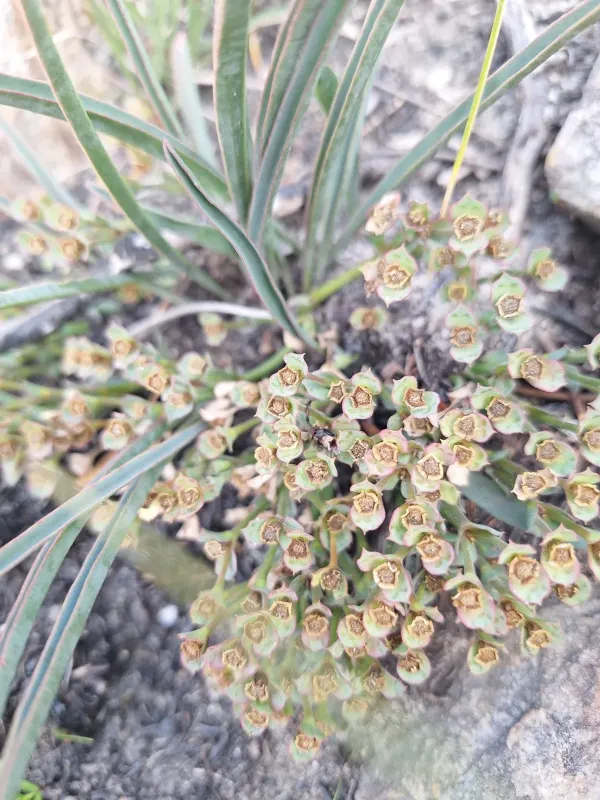
Botanically, the plant is recognized by its tuberous, moisture-storing root system and slender, leaf-bearing stems. The specific epithet silenifolia refers to the resemblance of its foliage to the leaves of plants within the Silene genus, a feature that distinguishes it from more common, spinier Euphorbia species.
Agricultural success with this species depends heavily on light exposure. It thrives in high-intensity solar radiation, which is essential for maintaining its genetic phenotype and preventing etiolation. In professional cultivation, full sun or high-output artificial light sources are mandatory for growth.
The substrate requirements for this plant are strictly defined by its need for drainage. A mineral-heavy mix, comprising grit, coarse sand, and a negligible amount of humus, is recommended to prevent hypoxic conditions at the root level, which are a major cause of physiological decline in succulents.
Effective crop management requires a distinct seasonal cycle of hydration. The active growing phase involves controlled watering, strictly timed to allow the substrate to dry completely between sessions. During the dormant winter phase, moisture should be almost entirely restricted to prevent root rot and metabolic stress.