
Siebold's spurge
Euphorbia sieboldiana
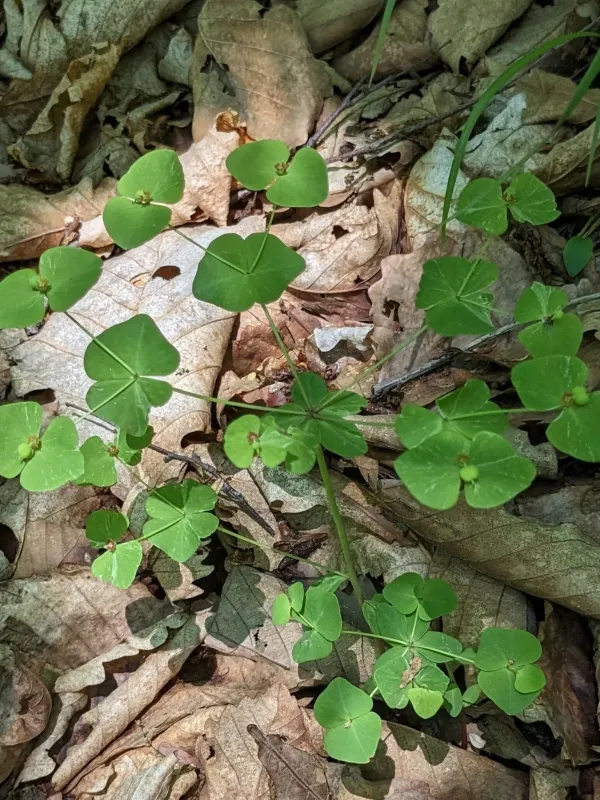
Description
Sowing dates
Siebold's spurge (Euphorbia sieboldiana) is a perennial herbaceous plant belonging to the Euphorbiaceae family. Seeds require a period of cold stratification for successful germination, which can be achieved by sowing them outdoors in late autumn or by keeping them in a refrigerator for several weeks before spring planting.
When sowing in containers, seeds should be covered with a thin layer of fine substrate to a depth of about 1 centimeter. Maintain a temperature of approximately 18–20 degrees Celsius, ensuring the soil remains moist but not waterlogged during the germination phase.
Seedlings should be transplanted into their permanent location in late spring once all risk of frost has passed. Adequate spacing of at least 30 centimeters is necessary to provide enough room for the plant's root system to develop and to ensure proper air circulation.
Propagation through division of established clumps is highly effective. The best time for this is early spring before active growth begins. Each segment must have at least one healthy bud to ensure proper regeneration in the new site.
The plant exhibits steady growth rates after the establishment phase. Once the root system is well-settled, the plant demonstrates improved resilience to environmental stress and requires less intensive care compared to the initial developmental stage.
Growing requirements
Siebold's spurge performs best in locations with full sun to partial shade. It is highly adaptable to various soil types, provided that the soil is fertile and well-drained, which prevents the roots from sitting in stagnant water during wet periods.
Water requirements for this species are moderate. While established plants are somewhat drought-tolerant due to their deep root structures, regular watering during prolonged dry spells significantly enhances the vitality and overall health of the specimen.
Soil structure is critical for this species. If the planting site consists of heavy clay, it is advisable to improve drainage by incorporating organic matter and sand. Proper drainage is the primary defense against root-related pathologies that can occur in waterlogged environments.
The plant is adapted to temperate climates. In regions with harsh winters, providing a protective layer of mulch around the root zone helps maintain soil temperature and prevents deep freezing of the soil, which could compromise the plant's overwintering success.
Fertilization should be handled with caution. Applying balanced granular fertilizer during early spring is generally sufficient to sustain growth throughout the season. Excessive nitrogen should be avoided to prevent the plant from becoming leggy or overly succulent.
Main diseases and pests
The most common pests affecting Euphorbia sieboldiana are aphids and spider mites, particularly in hot and dry weather conditions. Regular inspection of the foliage, especially the undersides of leaves, is essential to identify early infestations and take corrective measures.
Powdery mildew represents a significant fungal threat, characterized by white, dust-like patches on the leaves. If detected, treatment with approved fungicides or sulfur-based solutions can effectively manage the spread of the fungus across the plant population.
Root rot is typically associated with poor drainage and excessive moisture in the root zone. Ensuring that the soil does not stay overly saturated is the most effective preventative strategy against this complex of soil-borne pathogens.
It is important to handle the plant with care, as all parts contain a milky white latex sap. This substance can cause severe skin irritation and is dangerous if it comes into contact with the eyes or mouth. Always wear gloves during maintenance activities.
- Aphids (Aphidoidea)
- Spider mites (Tetranychidae)
- Powdery mildew (Erysiphales)
- Root rot (Rhizoctonia)