
Euphorbia setosa
Euphorbia setosa
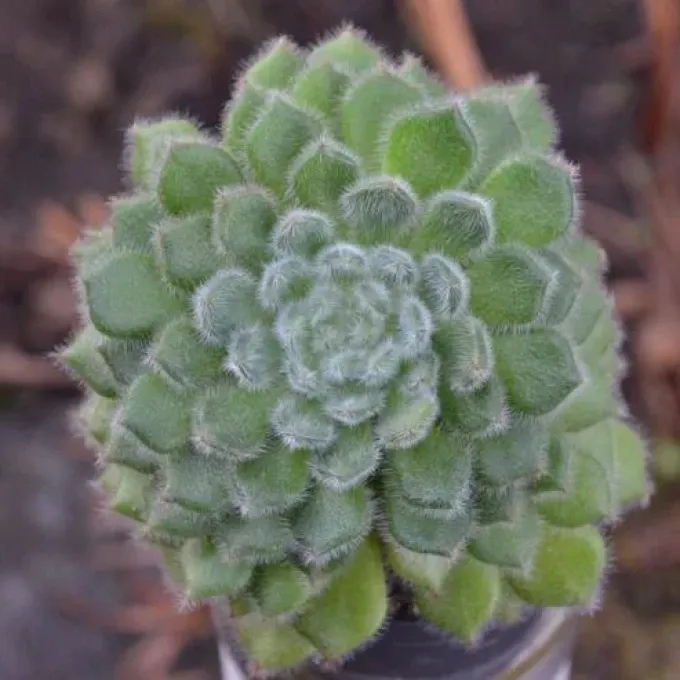
Description
Sowing dates
Sowing Euphorbia setosa requires well-prepared seedbeds and soil temperatures consistently above 18 degrees Celsius for successful germination.
The optimal planting window typically opens in late spring, ensuring that the soil is sufficiently warmed and free from late frost risks.
Seeds should be sown at a shallow depth of approximately 2-3 centimeters to facilitate uniform emergence across the entire field area.
Precise seed spacing is essential for crop development, allowing for proper aeration and light penetration between individual plants.
Mechanized seeding methods are preferred to ensure consistent depth and spacing, which significantly improves the overall stand uniformity.
Growing requirements
This species thrives in well-drained, sandy loam soils that possess good aeration properties and maintain a neutral pH balance.
Exposure to full sunlight is critical for the development of Euphorbia setosa, as the plant exhibits reduced vigor in shaded environments.
Water requirements are moderate, though a consistent moisture supply is necessary during the active vegetative growth phase for high biomass.
Effective crop rotation practices are highly recommended to prevent the buildup of soil-borne pathogens and to maintain soil fertility levels.
Frequent inter-row cultivation is vital to manage weed competition and ensure that the root system receives adequate oxygen levels.
Main diseases and pests
Root rot caused by excessive soil moisture and poor drainage is the most significant threat to the survival of Euphorbia setosa stands.
Fungal infections, such as powdery mildew, can impact leaf quality and overall plant health, especially in high humidity environments.
Insect pests, including aphids and various lepidopteran larvae, may feed on the foliage, necessitating targeted integrated pest management.
Early-season weed control is crucial, as the slow initial growth of the plant makes it highly susceptible to competition from fast-growing weeds.
- Implement systematic monitoring for early detection of pest infestations.
- Utilize balanced fertilization programs to enhance plant immunity.
- Remove infected plant tissue promptly to prevent further disease spread.