
Euphorbia serrula
Euphorbia serrula
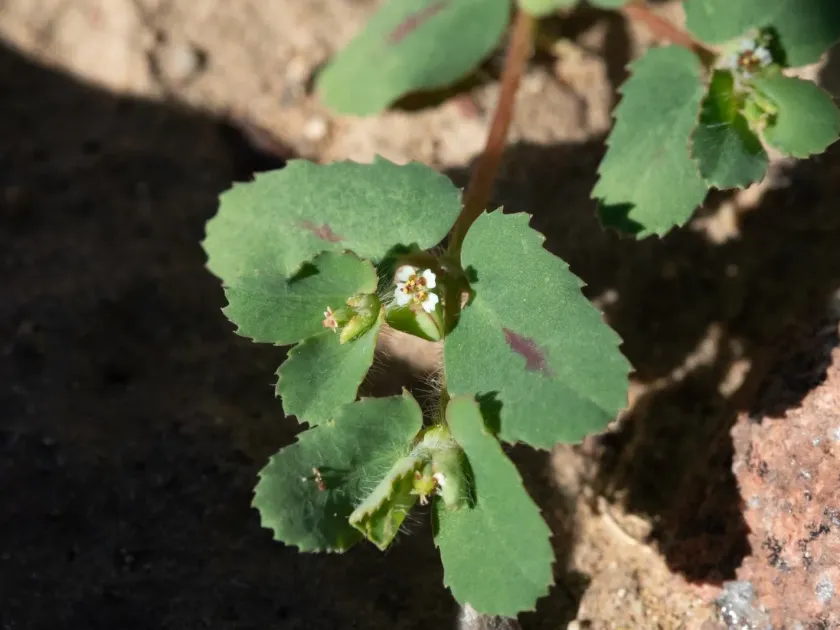
Description
Sowing dates
Euphorbia serrula is a perennial herbaceous plant belonging to the Euphorbiaceae family. This species is often recognized for its resilience in arid environments and specific habitat requirements.
Sowing should be performed in early spring once the soil temperature is stable. Proper seedbed preparation is vital to ensure optimal contact between the seeds and the soil for uniform germination.
The recommended row spacing for this crop is typically between 30 and 45 cm, which provides enough space for root development and facilitates mechanical weeding operations during the season.
Seeds should be planted at a depth of 2 to 3 cm. Using excessive depth can lead to poor emergence rates, especially in heavier soil types where the seedling struggles to break through the surface.
After emergence, thinning the rows is recommended to maintain the correct plant density, which prevents competition for vital nutrients and light between individual plants.
Growing requirements
Euphorbia serrula thrives in well-drained, sandy, or rocky soils. It is highly valued for its ability to grow in poor soil conditions where many traditional crops would fail to establish.
The plant requires full sun exposure for healthy growth. Shade leads to poor vigor and increases the risk of fungal infections due to lack of air circulation around the canopy.
Drought tolerance is a defining feature of this species. Once the root system is established, it requires very little additional irrigation even during extended dry periods.
Soil pH levels should remain in the neutral to slightly alkaline range. Maintaining adequate drainage is the single most important factor for long-term survival in an agricultural setting.
Fertilizer application should be cautious. An excessive nitrogen supply encourages rapid vegetative growth, which can paradoxically make the plant more susceptible to pests and diseases.
Main diseases and pests
Fungal root rots represent the most significant threat to the crop, typically occurring in areas with poor drainage or during prolonged periods of high humidity.
Powdery mildew is a common issue that affects the foliage when weather conditions are stagnant, reducing the photosynthetic efficiency of the plant throughout the growing season.
Aphids are the primary insect pests, frequently targeting young, succulent shoots. Their feeding causes leaf yellowing and distorted growth, which can be mitigated with mild systemic insecticides.
Spider mites may become problematic during hot and dry summer spells. Their presence is easily identified by fine webbing on the underside of leaves and general plant weakness.
Integrated pest management strategies are essential, focusing on cultural practices such as spacing and weed control to maintain a healthy and productive crop stand.