
Hairy spurge
Euphorbia semivillosa
Description
Growing requirements
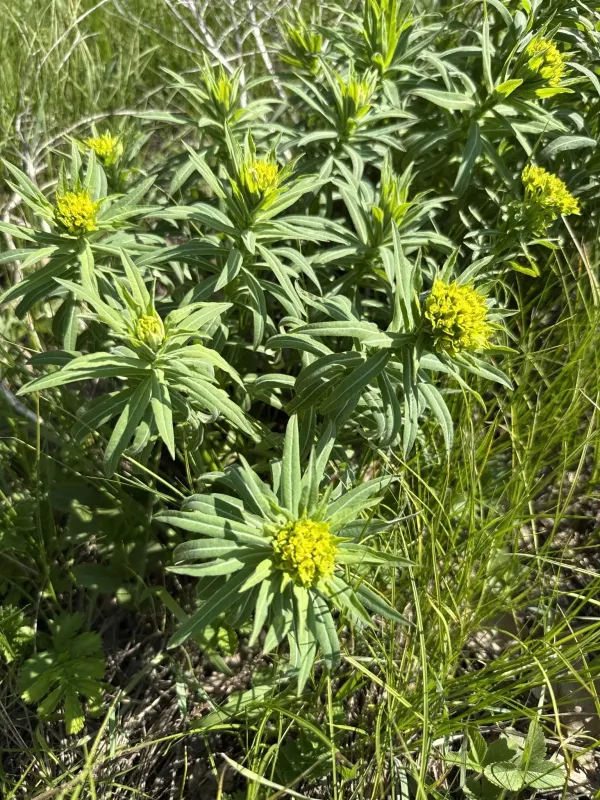
Hairy spurge (Euphorbia semivillosa) is a perennial herbaceous plant belonging to the Euphorbiaceae family. It is native to temperate forest zones, where it typically occupies shaded or semi-shaded habitats.
The plant is characterized by a sturdy rhizome structure, which allows it to persist through harsh winters and regenerate effectively during the spring season.
Agronomic requirements include well-draining, nutrient-rich soil. While the species is somewhat adaptable, it performs best in soils with moderate organic matter content and balanced pH levels.
Proper water management is essential for this crop. It thrives in moist conditions but will not tolerate stagnant water, which often leads to poor development and plant mortality.
Field maintenance involves seasonal clearing of competitive weeds to ensure that the spurge receives adequate light and nutrients for optimal vegetative growth.
Main diseases and pests
The primary threats to Euphorbia semivillosa are fungal infections, particularly those that thrive in humid environments such as downy or powdery mildew.
Root rot represents a significant agronomic challenge, often occurring in heavy, poorly drained soils during periods of heavy rainfall.
Pest management focuses on controlling aphids and spider mites, which can cause significant foliar damage and weaken the plant's overall vigor.
Cultural control methods, such as maintaining optimal plant spacing, are recommended to promote air circulation and decrease the susceptibility to foliar diseases.
Integrated pest management strategies should be employed to minimize the use of chemical pesticides, prioritizing biological and physical controls whenever possible.