
Euphorbia semiperfoliata
Euphorbia semiperfoliata
Description
Growing requirements
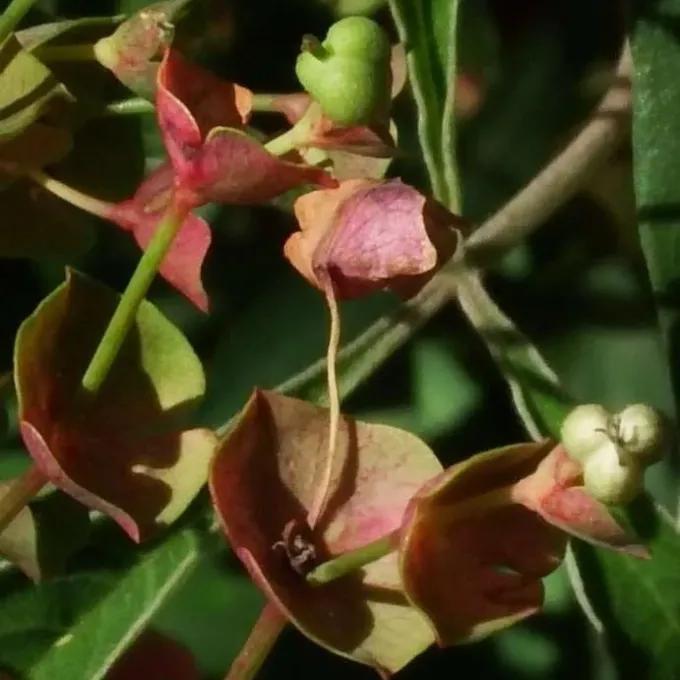
Euphorbia semiperfoliata is a perennial herbaceous plant belonging to the Euphorbiaceae family. This species is native to the southeastern regions of Europe, particularly the Balkan Peninsula, where it typically inhabits dry, open, and stony landscapes.
The botanical characteristics of this plant include its distinctive semi-perfoliate leaves that partially clasp the stem. Like all members of the genus Euphorbia, it contains a specialized milky latex that acts as a natural chemical defense against herbivores and potential pests.
In terms of cultivation requirements, the species prefers well-drained, moderately fertile soil with a neutral to slightly alkaline pH. It thrives in sunny locations with high light intensity, as full sun exposure is essential for maintaining the plant's structural integrity and health.
The climate favorable for this plant includes a moderate continental regime with well-defined vegetative stages. It exhibits remarkable drought tolerance, which allows it to survive in environments where soil moisture may be limited for extended periods of time.
Economically, Euphorbia semiperfoliata is mainly valued in botanical gardens and research settings. Its chemical properties make it a subject of interest for phytochemical analysis, while its unique morphology contributes to the diversity of xerophytic plant collections.
Main diseases and pests
Due to the presence of secondary metabolites in its milky sap, the plant remains highly resistant to most common agricultural pests. The latex is toxic and irritating, which effectively discourages most insects from feeding on its foliage and stems.
Despite its natural resistance, the species can suffer from fungal diseases if subjected to poor drainage or excessive soil moisture. Root rot is a significant threat that occurs when the substrate remains saturated for too long, preventing root respiration.
Powdery mildew may also occur during periods of high humidity and stagnant air circulation. To prevent such issues, it is essential to ensure adequate spacing between plants and maintain a clean growing environment in both field and greenhouse conditions.
Monitoring for secondary pests, such as spider mites, is recommended, especially in greenhouse environments where the air is dry and warm. These pests can occasionally affect stressed plants, leading to a decline in overall vigor if left unchecked.
In cases of infestation or infection, manual removal of affected parts is usually sufficient for small populations. Proper sanitation practices, such as sterilizing tools after pruning, will significantly reduce the risk of spreading pathogens among the crop.