
Euphorbia segoviensis
Euphorbia segoviensis
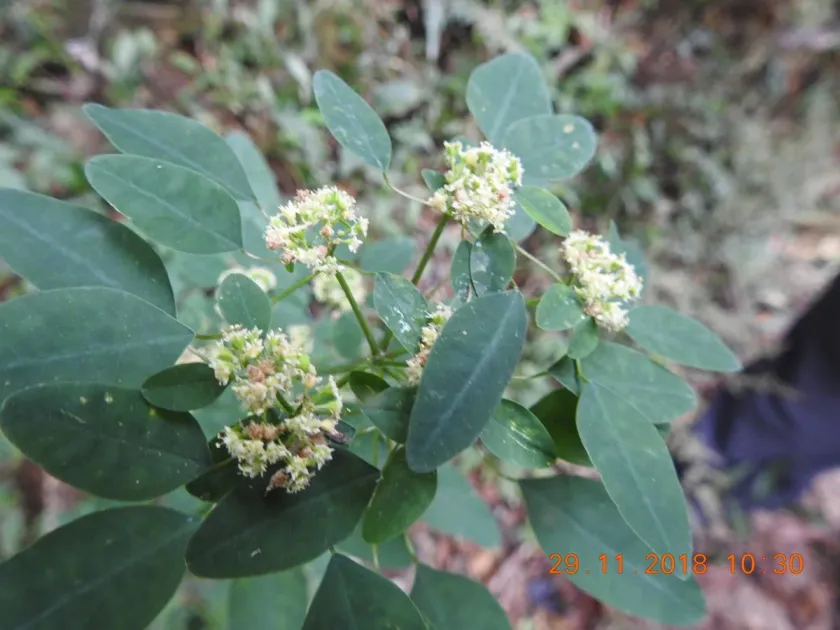
Description
Sowing dates
Euphorbia segoviensis is a perennial herbaceous plant belonging to the Euphorbiaceae family, known for its distinct botanical structure and hardiness.
The sowing process is most successful when seeds are planted in the autumn, allowing them to undergo natural winter stratification for better germination rates.
In spring sowing scenarios, growers must ensure that seeds have been pre-chilled to break dormancy, ensuring a more uniform emergence of seedlings across the field.
The optimal planting depth is shallow, approximately 1–2 cm, as the seeds require specific light conditions and moisture levels to initiate growth successfully.
Regular monitoring of moisture levels in the seedbed is essential during the early stages to ensure that seedlings establish strong roots before the arrival of hot weather.
Growing requirements
This species thrives in well-drained, sandy or light loamy soils that prevent water stagnation, which is critical for the health of its root system.
Full sun exposure is a primary requirement for Euphorbia segoviensis, as it promotes vigorous growth and helps maintain the natural shape of the plant.
The plant is highly drought-tolerant once established, requiring only minimal supplemental irrigation during prolonged dry spells in the summer months.
Soil pH should ideally be neutral or slightly alkaline, providing an environment where essential nutrients are readily available for the plant's uptake.
Routine fertilization with a balanced mix during the active growing season supports steady development and strengthens the plant against environmental stressors.
Main diseases and pests
Common pests that may affect the crop include aphids and spider mites, which can cause significant damage if populations are not managed in a timely manner.
Fungal diseases such as root rot often result from excessive moisture, necessitating careful management of irrigation schedules and soil drainage systems.
Maintaining adequate spacing between plants is a crucial preventive measure, as it facilitates better airflow and reduces the risk of humidity-related pathogens.
Proactive weed control is necessary to prevent the buildup of pest reservoirs that can migrate to the crop and cause physiological stress.
Integrated pest management strategies should be employed, utilizing both mechanical removal of infected parts and targeted chemical applications when necessary.