
Euphorbia schubei
Euphorbia schubei
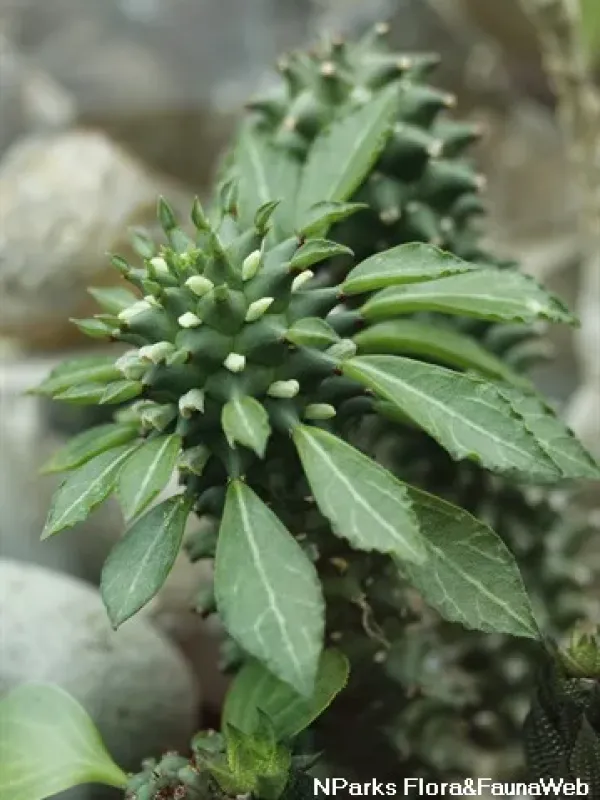
Description
Growing requirements
Euphorbia schubei is a perennial succulent species belonging to the Euphorbiaceae family. Originating from the arid zones of Africa, this plant has adapted to withstand harsh drought conditions through its specialized water-storing tissues and structural morphology.
Optimal growth conditions require well-draining, porous soil types, such as sandy or gritty substrates. Proper aeration of the root zone is critical to prevent the onset of rot, which is the most significant physiological risk factor for this culture in cultivation.
The plant demonstrates a high demand for solar radiation and should be placed in areas with full sun exposure. Inadequate light conditions result in abnormal stem elongation, often causing the plant to lose its characteristic stability and structural integrity.
Climate requirements include high ambient temperatures, ideally ranging between 20°C and 30°C during the active growing season. The species is not frost-tolerant and requires protection from extreme cold and sudden temperature drops throughout the year.
Irrigation management must follow a cycle of deep watering followed by complete drying of the substrate. During dormancy periods, water application should be significantly reduced to mimic the plant's natural environmental cycles and prevent internal tissue decomposition.
Main diseases and pests
Root and stem rot remain the primary threats to the health of Euphorbia schubei, often induced by waterlogged soil conditions. Once systemic infection occurs, the plant's vascular tissues are rapidly compromised, making recovery difficult.
Mealybugs are common pests that infest the plant, congregating in succulent crevices and along the main stem to feed on cell sap. Their presence often leads to stunted growth and the potential for secondary fungal infections.
Spider mites represent a recurring problem, especially in low-humidity greenhouse environments. These pests can rapidly proliferate on the epidermis, creating visible webbing and causing chlorotic spots that eventually lead to leaf drop.
Scale insects present a challenge due to their protective armor, which makes them resistant to standard contact pesticides. Effective management typically involves the application of horticultural oils or systemic chemical treatments during the early stages of infestation.
Strategic agronomic control includes maintaining strict quarantine protocols for new stocks and ensuring adequate spacing between individual plants to promote consistent airflow and reduce disease transmission rates.