
Euphorbia schoenlandii
Euphorbia schoenlandii
Description
Growing requirements
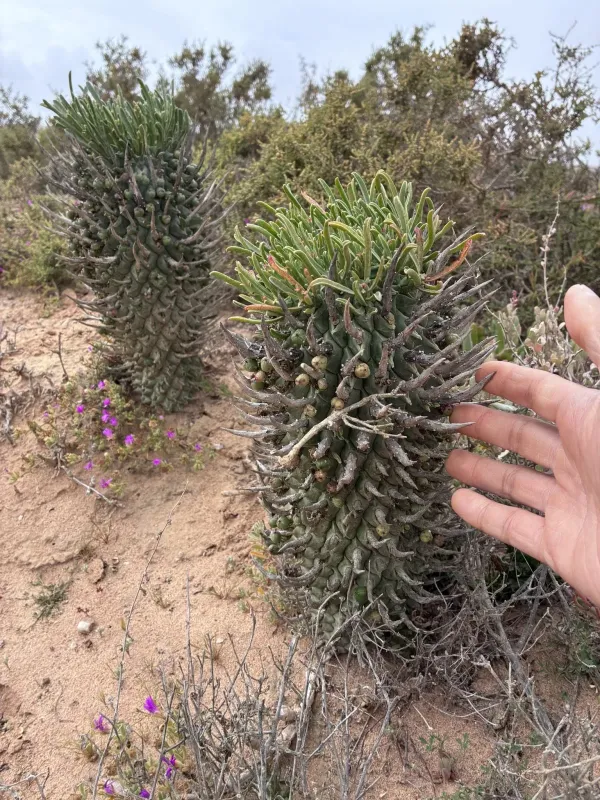
Euphorbia schoenlandii is a fascinating succulent species belonging to the Euphorbiaceae family. It is native to the arid landscapes of South Africa, where it has evolved to thrive in rocky, nutrient-poor environments with minimal rainfall.
The plant features a distinct succulent structure characterized by a thick, branching stem covered in prominent tubercles. These structures are evolutionary adaptations designed to store water, allowing the plant to withstand extended periods of drought in its natural habitat.
To successfully grow this species, providing ample sunlight is mandatory. Without sufficient light exposure, the plant will lose its compact habit and become prone to physiological weakness. It is ideally suited for bright, south-facing windows or greenhouse conditions.
The choice of soil is crucial for the health of Euphorbia schoenlandii. A high-porosity mineral substrate is recommended, consisting of a mix of coarse sand, pumice, and minimal organic matter. This ensures rapid drainage and prevents waterlogging of the roots.
Temperature management should follow the plant's seasonal rhythm. During the active growth period, it prefers temperatures between 20°C and 25°C. During winter, it requires a cool, dry dormancy period at temperatures ranging from 12°C to 15°C to encourage future development.
Main diseases and pests
Root and stem rot caused by overwatering remain the most significant threats to Euphorbia schoenlandii. Maintaining a dry substrate during the dormancy period is the most effective way to prevent these fatal fungal issues.
Mealybugs are the most common insect pests encountered when growing this plant. They tend to hide within the tight spaces of the tubercles, making manual removal difficult; therefore, systemic insecticides are often required.
Spider mites may occasionally infest the plant in environments with poor ventilation and low humidity. Regular monitoring and occasional misting (in hot conditions only) can help discourage these pests from settling on the stems.
Physical injuries, such as cuts or scratches during handling, should be addressed immediately. Dusting the affected area with sulfur or charcoal powder prevents the entry of pathogens into the succulent tissue.
It is important to handle the plant with care, as the milky latex sap is highly toxic and can cause skin or eye irritation. Wearing gloves during maintenance procedures is strongly recommended for the safety of the grower.