
Euphorbia saxatilis
Euphorbia saxatilis
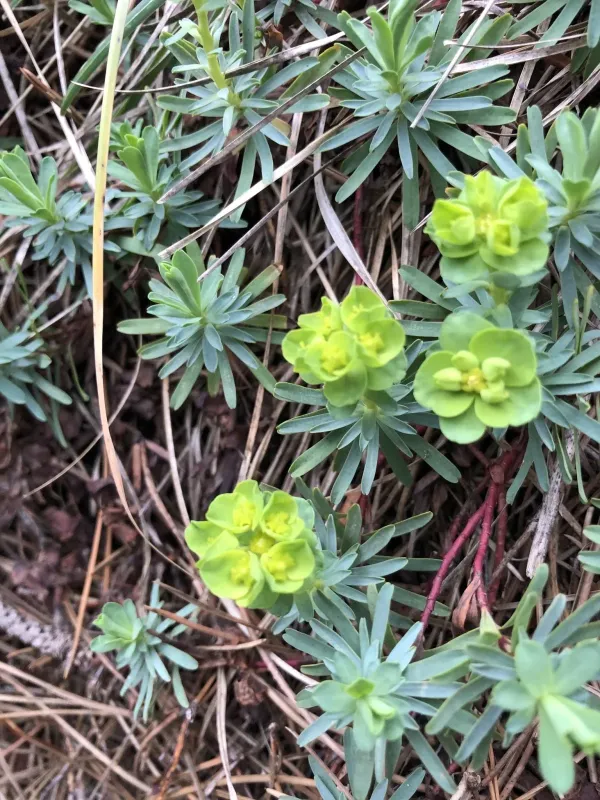
Description
Sowing dates
Euphorbia saxatilis is a perennial herbaceous plant belonging to the Euphorbiaceae family, known for its adaptation to rocky and arid habitats.
Propagation is typically carried out via seeds, which perform best when sown in late autumn to benefit from a natural cold stratification period.
Vegetative propagation by division is also a viable agricultural method, recommended for early spring before the plant initiates active growth.
When seeding, it is essential to ensure the soil surface remains lightly covered, as light exposure helps regulate the germination process for many Euphorbia species.
Successful establishment relies on choosing a site that mimics the plant’s natural environment, allowing it to develop a robust root system during the first season.
Growing requirements
The plant requires well-drained, porous soils, ideally with a rocky or sandy composition to facilitate rapid water runoff and aeration.
As a xerophyte, it possesses excellent drought tolerance but is highly susceptible to root damage caused by waterlogging during rainy periods.
Direct sunlight is a primary requirement for this culture; insufficient light exposure leads to etiolation and a significant reduction in overall plant vigor.
The species prefers a neutral to slightly alkaline soil pH, and heavy fertilization is generally unnecessary and potentially harmful to the plant's health.
Thermal stability is rarely an issue, though mulching with inert materials like gravel can help maintain consistent soil temperatures for the roots.
Main diseases and pests
Fungal pathogens associated with damp conditions, particularly root rot, represent the most significant threat to Euphorbia saxatilis cultivation.
Effective prevention involves maintaining excellent drainage and avoiding high humidity levels around the foliage, which could facilitate disease spread.
Insect pests such as aphids and spider mites may occasionally infest the plants, particularly during periods of environmental stress or heat waves.
Management strategies should focus on integrated pest control, ensuring that any chemical application does not affect the succulent structure of the plant.
- Regular inspection of the basal foliage for signs of decay.
- Cleaning debris from around the plant base to prevent rot.
- Maintaining proper spacing to ensure adequate air movement.