
Euphorbia royleana
Euphorbia royleana
Description
Growing requirements
Euphorbia royleana, belonging to the Euphorbiaceae family, is a distinctive succulent shrub native to the mountainous regions of the Himalayas, including northern India and Nepal. It is well-adapted to harsh, arid environments and rocky terrain.
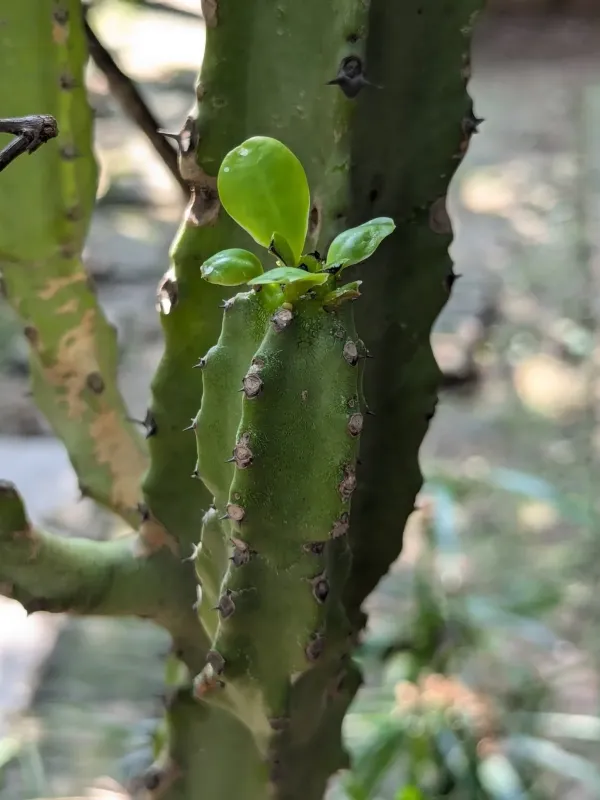
Botanically, the plant is characterized by its thick, succulent, ribbed stems adorned with sharp, paired thorns. This structural design enables the plant to store significant reserves of water, allowing it to survive long periods of drought in its natural habitat.
Optimal cultivation requires a well-draining, gritty soil mix. It is essential to ensure that water does not accumulate around the roots, as this is the primary cause of physiological decline in this species. Adding organic matter should be limited to keep the soil lean.
The plant thrives under direct, intense sunlight. In regions with lower light intensity, growth rates significantly decrease, and the structural integrity of the stems may be compromised. A warm climate is necessary for vigorous growth throughout the season.
Economically, Euphorbia royleana is valued for its latex production, which has applications in pharmaceutical research and traditional medicine. Additionally, its formidable thorn-covered structure makes it an excellent candidate for defensive living fences in semi-arid zones.
Main diseases and pests
The most significant threat to the crop is root and basal rot caused by fungal pathogens when exposed to overly moist conditions. Proper ventilation is vital to reduce humidity around the stem base and prevent the onset of these diseases.
Common pests include mealybugs, scale insects, and spider mites. These pests thrive in dry environments and can infest the crevices between the ribs of the stems, making them difficult to detect and eradicate without thorough inspection.
Integrated pest management strategies involve monitoring the plant at the onset of the growing season. If infestations occur, systemic insecticides or targeted horticultural oils are often required to control the pest population effectively.
Cultural practices should emphasize cleanliness, such as removing debris from the base of the plant to prevent fungus and pest accumulation. Regular pruning of damaged or dead tissue helps maintain the plant's health and promotes new growth.
Caution must always be exercised due to the toxic nature of the milky latex contained within the plant. Protective gear, including gloves and goggles, is mandatory during all maintenance activities to prevent skin irritation and eye damage.