
Euphorbia robecchii
Euphorbia robecchii
Description
Growing requirements
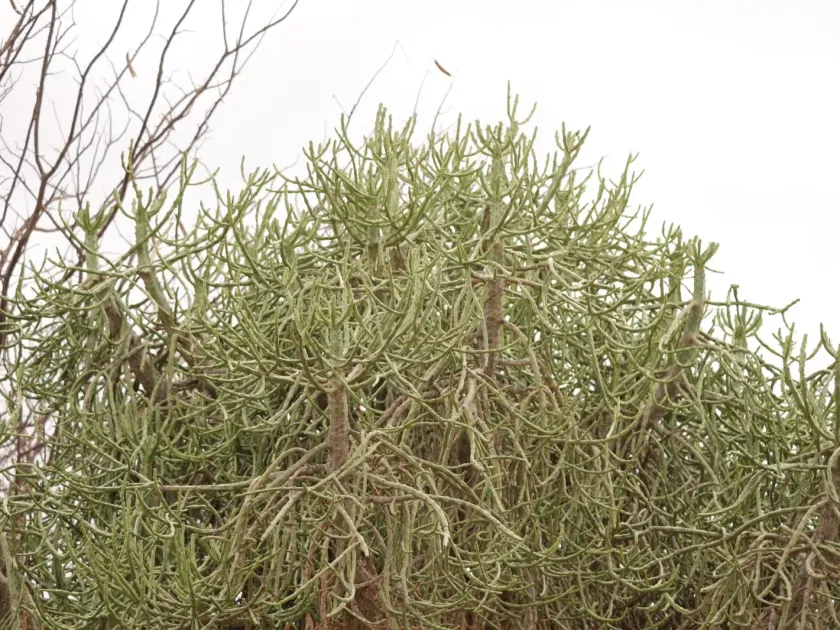
Euphorbia robecchii is a woody succulent species belonging to the Euphorbiaceae family, native to the arid landscapes of Ethiopia and Somalia.
This plant is biologically adapted to harsh desert environments, featuring specialized tissues for long-term water storage and a succulent structure that minimizes evaporation.
Agronomic success with this species requires well-draining, sandy-loam soils that prevent any form of water stagnation in the root zone.
The climate requirements include high solar exposure and sustained high temperatures, as the plant lacks tolerance for frost or prolonged cold weather conditions.
Effective cultivation involves minimizing organic amendments and mimicking the plant's natural arid habitat to ensure healthy growth and structural integrity.
Main diseases and pests
The primary threats to Euphorbia robecchii are various forms of rot, typically triggered by over-irrigation or inadequate drainage in the growing medium.
Mealybugs are frequently observed pests that colonize the succulent stems, causing structural damage and hindering the normal physiological development of the plant.
Spider mites can become a significant issue in low-humidity environments, leading to the disfigurement of young vegetative tissue and overall decline.
Pathogenic bacteria and fungi can penetrate the plant's succulent tissue through minor surface wounds, necessitating caution during mechanical maintenance operations.
Integrated pest management strategies focusing on moisture control, ventilation, and targeted chemical application are essential for maintaining large-scale plantings.