
Reuter's Spurge
Euphorbia reuteriana
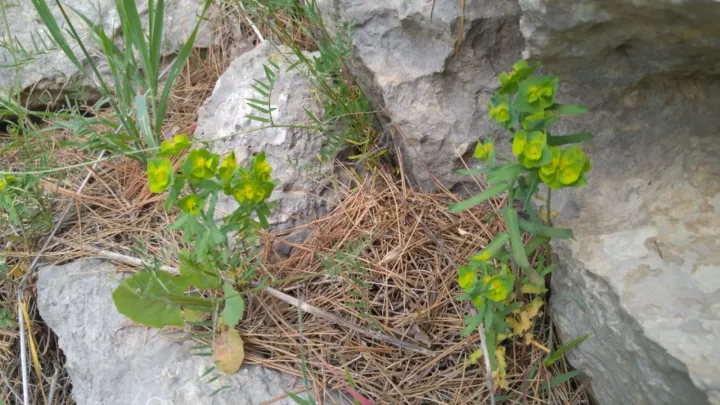
Description
Growing requirements
Reuter's Spurge (Euphorbia reuteriana) is a perennial herbaceous plant belonging to the Euphorbiaceae family. This species is native to specific mountainous regions, where it has adapted to rugged landscapes and distinct microclimates.
The cultivation of this plant requires well-drained, sandy, or rocky soils that prevent water stagnation, which is critical to avoid root rot. It thrives in environments with high solar radiation and good air circulation, mimicking its natural habitat on open slopes.
From a botanical standpoint, Euphorbia reuteriana features a specialized root system capable of nutrient extraction in poor soils. The plant contains a characteristic latex (milky sap) throughout its stems and leaves, which serves as a defensive mechanism against potential herbivores.
Climatic requirements are centered around stable growth temperatures during the vegetation period. Although the species is hardy and drought-tolerant, extreme frost or prolonged soil saturation can negatively impact its overall vigor and development rate.
Economically, the species is primarily valued in botanical research and specialized landscaping. Its architectural structure and ability to flourish in demanding environments make it a candidate for low-maintenance, ecologically stable planting schemes in arid or semi-arid regions.
Main diseases and pests
The primary threats to Reuter's Spurge include various fungal pathogens that flourish in environments with poor ventilation or excessive moisture. Root rot and damping-off are the most frequent issues encountered when drainage conditions are suboptimal.
Insect pests, particularly aphids and certain mite species, represent a constant challenge by colonizing the flowering parts and stems. Their feeding behavior not only damages the plant tissue but can also facilitate the transmission of viral diseases within the population.
Cultural control strategies involve maintaining proper spacing between plants to encourage airflow. This practice is essential for reducing the humidity levels around the foliage, which significantly lowers the risk of mildew and other opportunistic fungal infections.
Integrated pest management protocols should emphasize the use of horticultural oils or biological agents when monitoring indicates the presence of infestation. Chemical interventions should be used sparingly to preserve the health of the soil microbiome and plant longevity.
Consistent field scouting during the peak growing season is recommended for early detection of potential threats. Removing infected plant debris and implementing proper site sanitation are fundamental steps to ensure the long-term health and productivity of the planting site.