
Euphorbia razafindratsirae
Euphorbia razafindratsirae
Description
Growing requirements
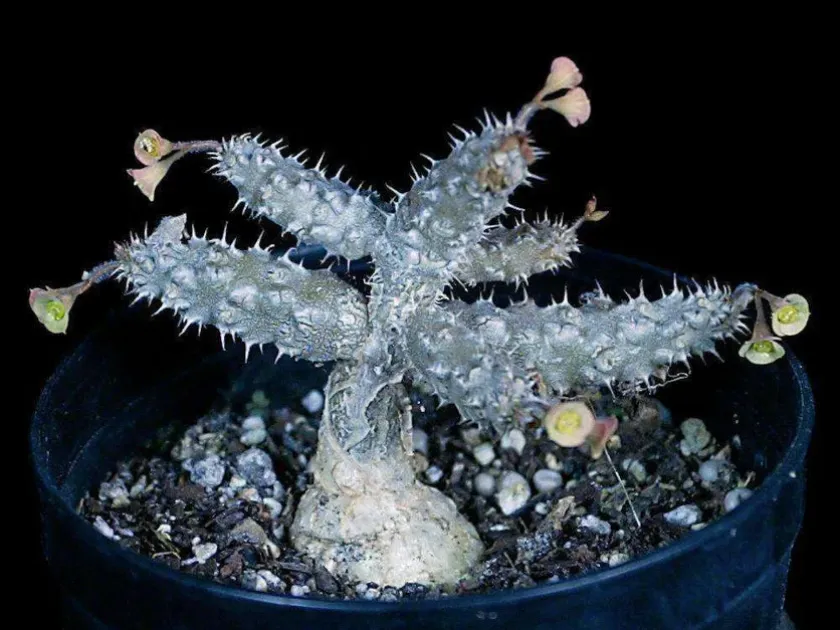
Euphorbia razafindratsirae is a distinct succulent plant species belonging to the Euphorbiaceae family. This species originates from the unique arid environments of Madagascar, where it has adapted to harsh, stony habitats with limited rainfall.
Botanically, it is a compact, shrub-like succulent. Its structural features, including thick, water-storing stems, reflect its evolutionary adaptation to survive extreme drought conditions and high UV radiation levels found in its native region.
Cultivation requires very specific environmental conditions. It demands high levels of bright, indirect to direct sunlight throughout the year. Insufficient light levels will immediately lead to etiolation, compromising the structural integrity of the plant.
The potting medium must be highly porous and inorganic. A professional succulent mix comprising coarse sand, pumice, and minimal compost is essential to ensure rapid drainage and prevent the roots from remaining damp for too long.
Cultural practices should mimic its natural seasonal cycle. During the growing season, moderate, well-spaced watering is required, while the winter period necessitates an almost completely dry environment to prevent dormancy-related rot.
Main diseases and pests
The primary threat to this species is root rot, triggered by overwatering or poorly aerated substrates. Once rot enters the vascular system of the stem, the plant is extremely difficult to salvage, making prevention the best strategy.
Mealybugs are the most common pests affecting this Euphorbia. They typically congregate in the stem crevices, feeding on the plant's sap and causing localized necrosis. They are often protected by a waxy substance that makes manual removal difficult.
Spider mites can also be a significant issue in dry, poorly ventilated conditions. Their feeding leaves small, chlorotic spots on the epidermis, which can eventually disfigure the plant and inhibit its normal development.
Pest management should focus on systemic treatments and physical inspection. If mealybugs are identified, localized application of isopropyl alcohol or appropriate insecticides can be effective if done carefully without damaging the stem.
To minimize threats, maintain consistent airflow around the plant. Avoid overcrowding in collections, as stagnant air increases the likelihood of both fungal outbreaks and insect infestations.