
Euphorbia rapulum
Euphorbia rapulum
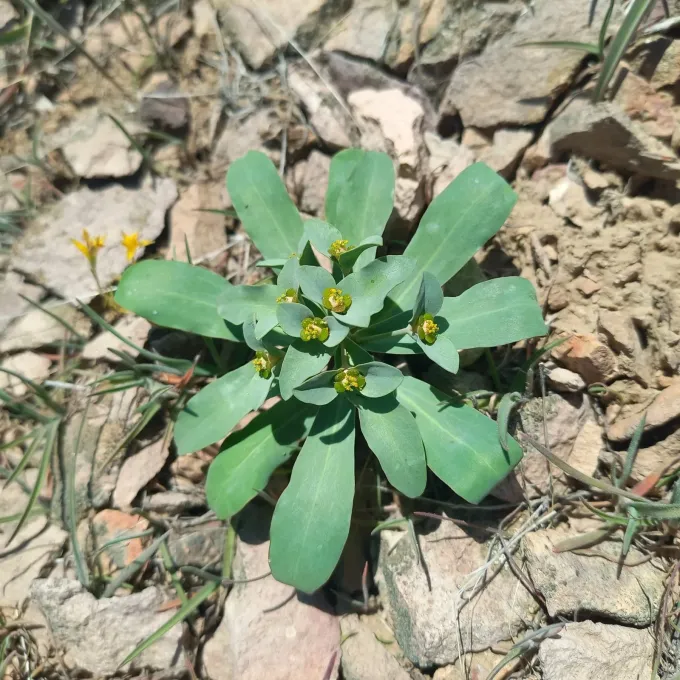
Description
Growing requirements
Euphorbia rapulum is a perennial herbaceous plant belonging to the Euphorbiaceae family. The plant is distinguished by its thickened, turnip-shaped root system, which functions as a nutrient storage organ.
This species is native to rocky and steppe habitats, exhibiting a strong preference for well-drained, sandy, or rocky soils. It is highly adapted to environments with limited water availability.
Optimal growth requires full sun exposure. Shade-grown plants typically lack the structural integrity and robustness required for healthy development and reproduction.
Cultivation should focus on providing excellent aeration for the roots. Any compaction of the soil or waterlogging will inevitably lead to the decay of the fleshy root system.
The plant demonstrates significant hardiness and resilience in various continental climate conditions, maintaining its vigor throughout the hot, dry summer months.
Main diseases and pests
Aphids represent a primary pest threat, specifically targeting the tender terminal growth and developing flower buds during the spring season.
Root rot, driven by fungal pathogens like Phytophthora, is the most common cause of mortality in cultivated populations, usually triggered by poor soil drainage.
Spider mites can become a significant issue during periods of extreme heat and low humidity, causing premature yellowing and dropping of the foliage.
Powdery mildew may manifest as a white powdery coating on the surface of the leaves, particularly in areas with poor air circulation or high nocturnal humidity.
Regular monitoring of plant health is essential, along with the immediate removal of any infected plant parts to prevent the rapid spread of diseases across the field.