
Euphorbia ramiglans
Euphorbia ramiglans
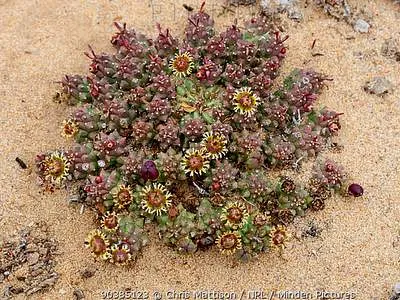
Description
Growing requirements
Euphorbia ramiglans is a perennial herbaceous plant belonging to the diverse Euphorbiaceae family. It is known for its ability to thrive in arid environments, often found in regions with limited annual precipitation and high thermal variability.
The plant exhibits distinct botanical traits, most notably the branched glandular structures on its stems, from which its specific epithet is derived. Like other members of the genus, it contains a milky, often irritant, latex within its tissues.
Cultivation requirements focus heavily on soil quality, specifically the need for exceptional drainage. These plants are highly susceptible to root rot, making coarse, sandy, or rocky soil substrates the most suitable option for successful development.
Exposure to direct sunlight is essential for this species. It is a heliophytic plant that requires a significant number of sunshine hours to maintain its structural integrity and physiological health throughout the growing season.
Agrotechnical management should prioritize minimal irrigation. During the peak of summer, it relies on its deep root system to access deep soil moisture, making it a low-maintenance choice for dry-land agricultural or landscape projects.
Main diseases and pests
Fungal diseases are the primary threat, particularly when local humidity levels exceed the plant's tolerance. Powdery mildew is common in stagnant air conditions, covering the foliage in a dusty coating that stunts growth.
Root rot caused by Oomycetes or various soil-borne fungi is the most critical issue for Euphorbia ramiglans. This is almost exclusively linked to poor drainage or over-watering, emphasizing the need for porous soil media.
Pests such as aphids and spider mites can occasionally affect the plant, particularly if it is under environmental stress. While the toxic latex provides some natural defense, specialized herbivorous insects can still cause significant damage.
Integrated pest management should be employed to control these outbreaks. This involves consistent monitoring of the plant's condition, especially during the transition from dry to humid weather patterns.
Sanitation practices, such as the removal of dead organic material around the base of the plant, are essential to prevent the accumulation of fungal spores and ensure the long-term health of the crop.