
Quartziticola Euphorbia
Euphorbia quartziticola
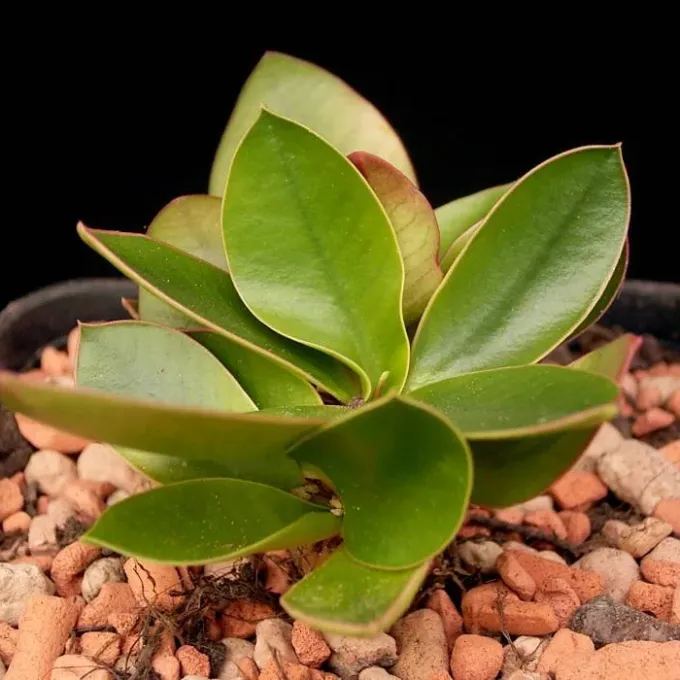
Description
Growing requirements
Euphorbia quartziticola is a rare succulent species belonging to the Euphorbiaceae family, originating from the arid regions of Madagascar. It is specifically adapted to grow on quartzitic outcrops, which dictates its preference for specialized mineral-rich environments.
The plant exhibits typical succulent traits, including a thickened stem designed for water storage to endure prolonged droughts. Its unique biological structure allows it to thrive in high-light conditions where other vegetation would fail to survive.
For cultivation, growers must provide a highly porous substrate. A mix consisting of grit, coarse sand, and pulverized quartz is ideal to ensure that water drains immediately, preventing the root rot that is fatal to this species.
The environmental requirements include high temperatures and maximum exposure to sunlight. Proper ventilation is essential to mimic the constant airflow in its natural habitat, which helps to keep the plant’s surface dry and prevents fungal growth.
In terms of usage, this plant is primarily valued by collectors and specialized botanical nurseries. Its slow growth rate and distinct aesthetic appeal make it a highly sought-after species for xeriscaping and conservatory collections.
Main diseases and pests
The primary threat to the health of Euphorbia quartziticola is overwatering, which quickly leads to root and stem rot. Maintaining a dry substrate during dormant winter periods is crucial for the plant's survival.
Pests such as mealybugs and spider mites are common problems in greenhouse environments. These pests prefer the tight, succulent stems of the plant, often hiding in crevices that make them difficult to detect early.
Integrated pest management should be employed, prioritizing manual removal of insects followed by targeted application of systemic pesticides only when necessary. Excessive spraying should be avoided to prevent surface damage.
Fungal pathogens often appear as dark lesions on the stem. Any signs of discoloration require immediate action, including the reduction of humidity and potential isolation of the infected specimen from the rest of the collection.
Due to its rarity and specific ecological needs, Euphorbia quartziticola requires meticulous care. Success in its cultivation depends on the grower's ability to balance mineral substrate composition with strict light and watering protocols.