
Euphorbia pubentissima
Euphorbia pubentissima
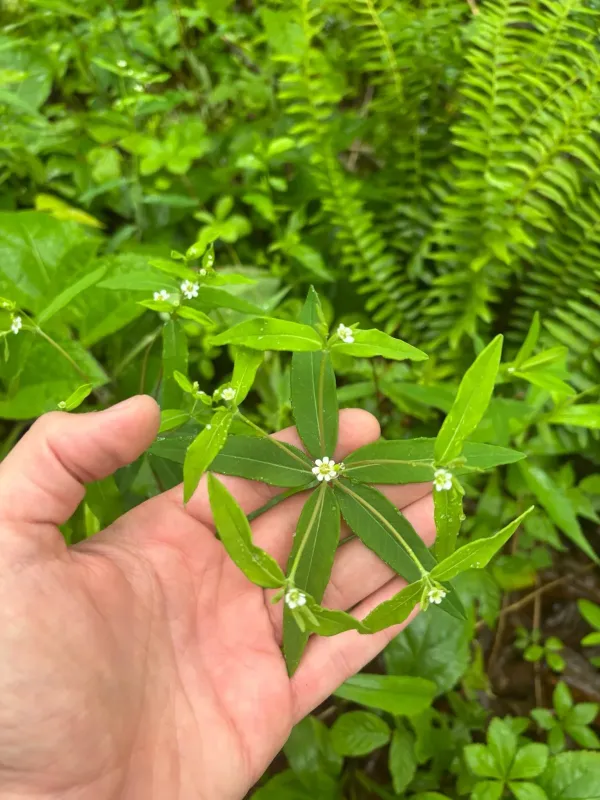
Description
Sowing dates
Sowing of Euphorbia pubentissima is carried out in the spring, once the soil has warmed up to 10-12 degrees Celsius at the seed depth. The optimal time is mid-April, which allows the seeds to utilize the winter moisture reserve for uniform germination.
The seeds of this crop demonstrate high germination rates provided they undergo proper stratification; thus, pre-sowing preparation is a vital stage of the technology. Sowing depth in light soils should be 2-3 centimeters, whereas in heavier soils it should not exceed 1.5-2 centimeters to prevent delayed emergence.
The planting scheme should account for the biological characteristics of the plant, which tends to branch intensively. A wide-row planting method with row spacing between 45 and 60 centimeters is recommended, as it ensures optimal light exposure and facilitates mechanical soil cultivation.
For uniform emergence, the seedbed must be carefully prepared: leveled and cleared of weed vegetation. During sowing, it is important to adhere to the recommended seeding rates to avoid overcrowding, which leads to nutritional deficits and reduces overall crop productivity.
The use of modern precision seeders allows for uniform distribution of seeds, which significantly simplifies plantation maintenance and reduces labor costs for manual weeding during the initial growth phases of the crop.
Growing requirements
Euphorbia pubentissima, a member of the Euphorbiaceae family, is a perennial herbaceous plant with a well-developed root system. It originates from North American regions, where it adapted to growing in temperate climates on open sites.
The crop has moderate requirements for soil fertility but prefers well-drained sandy loam or light loamy soils. The plant does not tolerate waterlogging, so areas with high groundwater levels are unsuitable for commercial cultivation.
Optimal climatic conditions for Euphorbia development include sufficient sunlight and moderate rainfall. Throughout the vegetation period, the plant shows high resistance to short-term drought, making it promising for cultivation in regions with unstable moisture.
For successful vegetation, Euphorbia pubentissima requires a neutral or slightly alkaline soil reaction. When growing on acidic soils, liming is recommended, which significantly improves growth indicators and vegetative mass accumulation.
An important requirement is adherence to crop rotation: it is not recommended to return Euphorbia to the same site for at least 4-5 years. The crop responds well to phosphorus-potassium fertilizers, which contribute to strengthening the root system and increasing resistance to external factors.
Main diseases and pests
The main pest posing a danger to this crop is the spider mite, which reproduces rapidly in dry, hot weather. In cases of mass infestation, insects suck sap from the leaves, leading to chlorosis and a significant decrease in the plant's photosynthetic activity.
Among diseases, fungal infections such as powdery mildew and root rot are the most dangerous. The development of these pathogens is often triggered by excessive soil moisture and poor aeration, requiring strict control over irrigation regimes and crop health.
Control measures against pathogens include the use of preventive fungicides during the active growth phase. It is also important to maintain field cleanliness by removing weeds that can serve as intermediate hosts for disease pathogens and shelters for pests.
To prevent the spread of infections, regular phytosanitary monitoring of plantations is recommended. Upon the first signs of infestation, it is necessary to remove and destroy infected plants to localize the focus and prevent epiphytotics across the entire field.
The use of biological protection methods, including attracting beneficial entomophages, helps maintain ecosystem balance. The use of insecticides is allowed only when the economic injury threshold is reached, strictly following the regulations for the use of chemical crop protection products.
Harvesting
Harvesting is carried out in the phase of full seed pod maturation, when they begin to change color to brown or yellowish-brown. During this period, the content of useful components in the plant reaches its peak, which is critical for subsequent raw material processing.
Direct combining or a two-stage harvesting method is used. In the two-stage method, plants are cut and left in swaths for several days to allow for seed post-ripening, which results in a more uniform and high-quality harvest with low moisture content.
The threshing process must be performed at optimal thresher drum speeds to avoid mechanical damage to the seeds, which have sensitive coats. Properly adjusted equipment allows for minimizing losses during harvesting and ensures the cleanliness of the commercial grain.
After harvest, seeds require immediate cleaning from impurities and drying to standard moisture levels. Storage is carried out in ventilated warehouse facilities where a stable temperature is maintained and moisture penetration is excluded, preventing mold development.
In commercial use, Euphorbia pubentissima is valued as a promising raw material for the chemical and pharmaceutical industries. The use of modern processing methods allows for the extraction of valuable compounds from biomass, making the cultivation of this crop economically viable in modern agribusiness.