
Euphorbia pseudosikkimensis
Euphorbia pseudosikkimensis
Description
Growing requirements
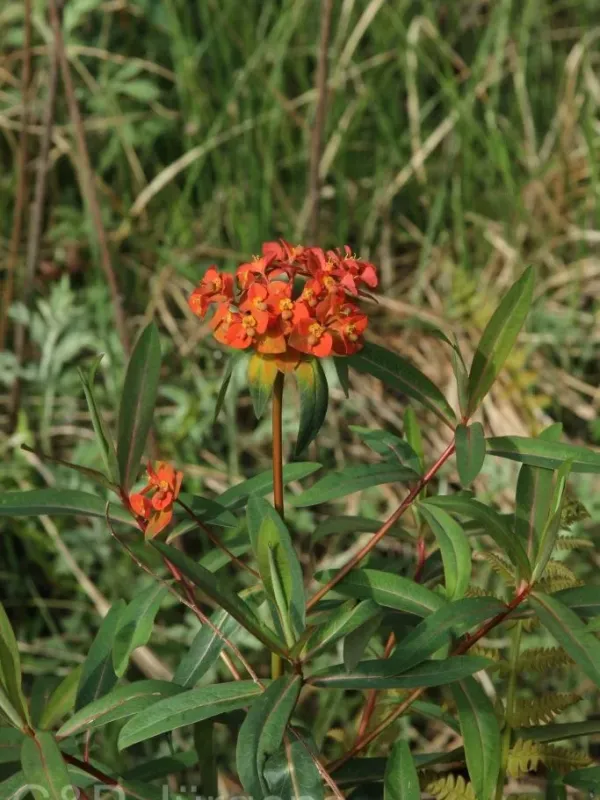
Euphorbia pseudosikkimensis is a distinctive member of the Euphorbiaceae family, recognized for its attractive habit and bamboo-like stems. This herbaceous perennial is highly regarded in horticultural circles for its architectural form, making it a standout choice for various planting schemes.
Native to the mountainous regions of Asia, the plant thrives in cooler, temperate climates. It prefers well-draining, moderately fertile soil that mimics its natural habitat's conditions. It is essential to ensure that the site does not hold standing water to prevent the risk of root rot.
The plant performs best in locations that offer dappled sunlight or partial shade, though it can tolerate full sun in cooler regions with sufficient moisture. Its hardiness allows it to endure winter temperatures, provided that the soil conditions remain consistent throughout the year.
Maintenance involves regular monitoring of soil moisture, especially during the peak growing season, and providing a layer of organic mulch to keep the roots cool. Pruning can be done after flowering to maintain the plant's shape and encourage healthy new growth in the following season.
The primary use of this species is ornamental, serving as a focal point in borders, rock gardens, and specialized container displays. Its unique structure and foliage provide visual interest throughout the growing season, complementing a wide array of other landscape plants.
Main diseases and pests
Euphorbia pseudosikkimensis is generally resistant to many pests and diseases, largely due to the toxic, milky latex that acts as a natural deterrent. However, poorly drained soil remains the greatest threat, as it predisposes the plant to fungal infections and root crown rot.
Minor pest issues may include occasional infestations of aphids or spider mites, particularly in hot, dry weather conditions. Vigilance and the use of appropriate horticultural soaps or systemic pesticides, if necessary, are typically sufficient to manage any potential outbreaks effectively.