
Euphorbia pseudoesula
Euphorbia pseudoesula
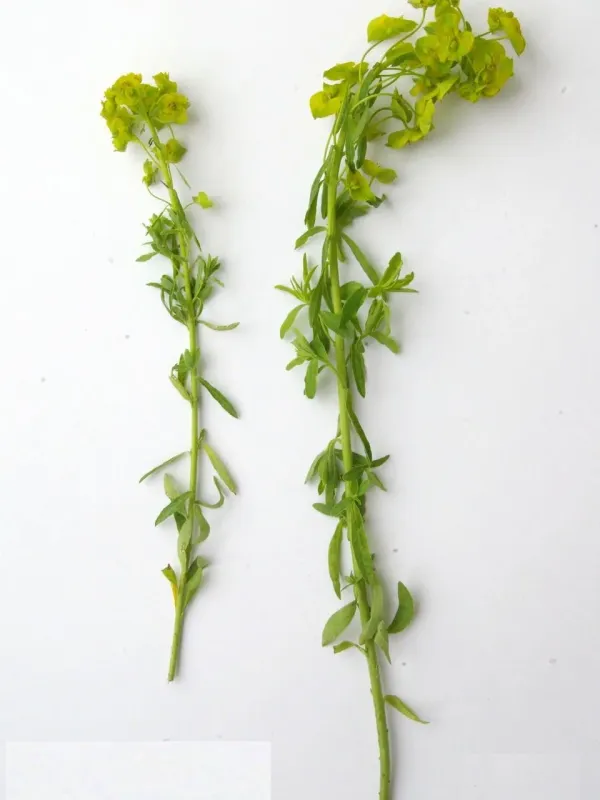
Description
Growing requirements
Euphorbia pseudoesula is a perennial herbaceous plant belonging to the diverse Euphorbiaceae family. It is distinguished by its characteristic milky latex present in all vegetative organs, which serves as a chemical defense mechanism against various herbivores.
The species is primarily native to temperate regions of Eurasia. In its natural habitat, it thrives in dry meadows, steppe environments, and rocky hillsides, showcasing a high degree of adaptation to variable environmental conditions and fluctuating light levels.
Botanically, the plant features a robust root system capable of penetrating compacted soils. Its stem and leaf structure are designed to maximize efficiency in water usage, often exhibiting drought-tolerant traits that allow for survival during dry summer seasons.
Optimal growth conditions involve well-drained, porous soils with a neutral or slightly alkaline pH. While the plant can tolerate nutrient-poor soils, it benefits from moderate exposure to direct sunlight, which stimulates both vegetative growth and its secondary metabolite production.
In terms of agricultural and landscape usage, the plant is valued for its hardiness and ability to thrive in poor-quality soil, making it a candidate for soil stabilization or decorative xeriscaping projects where irrigation is limited.
Main diseases and pests
The primary threats to Euphorbia pseudoesula are fungal pathogens, particularly those affecting the root and collar zones when soil drainage is inadequate. Root rot and powdery mildew are common issues that arise in overly humid or stagnant environments.
Insect pests, such as aphids and spider mites, may periodically colonize the plants during periods of rapid vegetative growth. These pests extract phloem sap, potentially leading to weakened plant vigor and increased susceptibility to secondary infections.
Management strategies focus on preventive agronomy, emphasizing proper spacing between plants to ensure adequate airflow and prevent the accumulation of moisture, which is the main catalyst for most fungal outbreaks.
Biological pest control is preferred, utilizing beneficial insects to regulate populations of sap-sucking pests. Chemical applications should be avoided or strictly limited to prevent disrupting the local ecosystem surrounding the plantings.
Given the toxic nature of the plant's sap, Euphorbia pseudoesula maintains a high level of natural resistance to larger mammals and many generalist insect feeders, which simplifies management practices compared to more vulnerable field crops.