
Euphorbia pseudoburuana
Euphorbia pseudoburuana
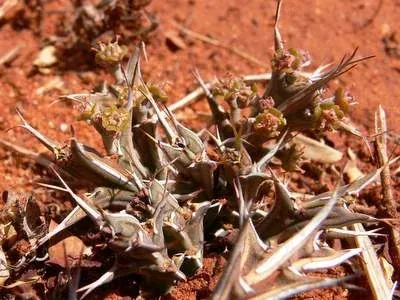
Description
Growing requirements
Euphorbia pseudoburuana is a distinctive succulent belonging to the Euphorbiaceae family. This species is native to the arid landscapes of Tanzania, adapted to harsh, dry conditions.
To cultivate this plant successfully, one must provide a well-draining mineral substrate. A mixture of pumice, coarse sand, and a small amount of potting soil is generally recommended for optimal root health.
The plant requires high levels of light to maintain its compact growth form. In indoor settings, placing it in a south-facing position is often necessary to prevent etiolation and structural weakness.
Watering practices must mimic the cycles of its native environment. Allow the soil to dry out completely between waterings, as the plant stores moisture in its specialized succulent tissues.
Economic and utility use of this plant is focused on ornamental horticulture. It is highly sought after by succulent enthusiasts and collectors who specialize in rare, geographically limited botanical species.
Main diseases and pests
The primary threat to Euphorbia pseudoburuana is root rot, frequently caused by overwatering or soil that retains moisture for too long. Root decay is often irreversible if detected late.
Mealybugs are the most common pest infestation for this species. They hide in the crevices of the stem, and constant vigilance is required to identify and treat these insects before they spread.
Spider mites can become a problem in environments with low humidity and high heat. Infestations typically appear as fine webbing and localized discoloration of the plant's surface.
Fungal pathogens can attack the stem if the plant is kept in conditions with poor air circulation. Stagnant air combined with moisture creates a perfect breeding ground for various molds.
Standard care involves periodic inspections of the stem tissue and the use of appropriate, species-specific fertilizers to ensure the plant maintains a robust immune system against common pathogens.