
Euphorbia primulifolia
Euphorbia primulifolia
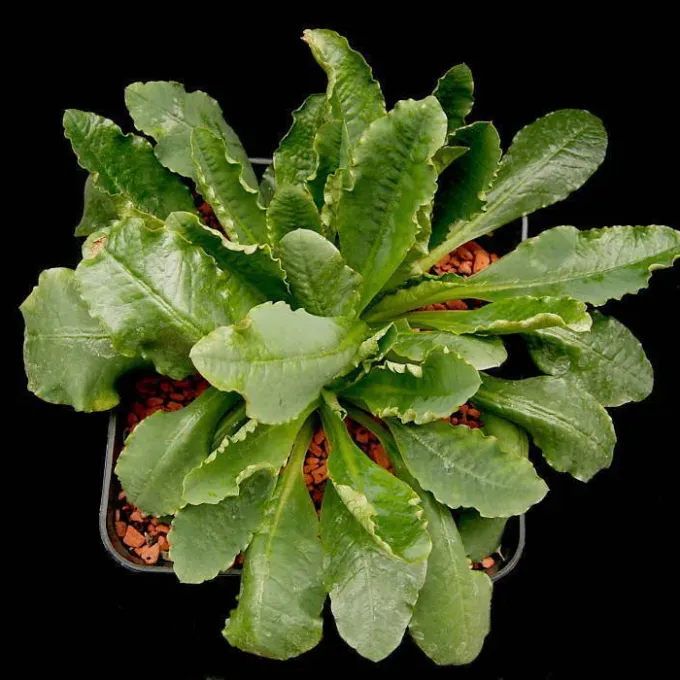
Description
Growing requirements
Euphorbia primulifolia is a fascinating succulent belonging to the Euphorbiaceae family. This species is native to the high-altitude regions of Madagascar, where it has adapted to harsh environmental conditions.
The plant is classified as a geophyte, characterized by a substantial, fleshy caudex that stores water and nutrients. Its leaves are arranged in a basal rosette, resembling the shape of a primrose, which is the origin of its common specific name.
Cultivation of this species requires a highly porous, gritty substrate. A mix of pumice, coarse sand, and a small portion of organic matter is recommended to ensure excellent drainage and prevent water accumulation.
In terms of light, Euphorbia primulifolia requires bright, filtered sunshine. It is essential to protect the plant from harsh afternoon sun, which can cause severe dehydration and leaf scorch in the succulent tissue.
Temperature management involves keeping the plant in a warm environment during its growing season, ideally between 20°C and 25°C. During the winter, a dormancy period is crucial, requiring lower temperatures and minimal to no irrigation.
Main diseases and pests
Root and caudex rot is the most significant threat to Euphorbia primulifolia. This condition is almost exclusively caused by overwatering or poor drainage within the potting medium, which suffocates the root system.
Mealybugs are the primary pests that affect this species. These insects tend to cluster at the base of the leaf rosette and near the junction of the caudex, where they feed on the sap and weaken the plant.
Spider mites can also be a problem, particularly in environments with low humidity. They spin fine webs and suck sap from the foliage, leading to yellowing and premature dropping of the leaves.
Preventive maintenance includes regular inspections of the plant's growth point and maintaining good air circulation around the rosette. If an infestation occurs, specialized systemic insecticides should be applied.
The milky latex exuded by the plant upon injury is toxic and contains diterpene esters. Direct contact with skin or eyes must be avoided, and all gardening tools should be cleaned thoroughly after pruning or maintenance.