
Euphorbia polygalifolia
Euphorbia polygalifolia
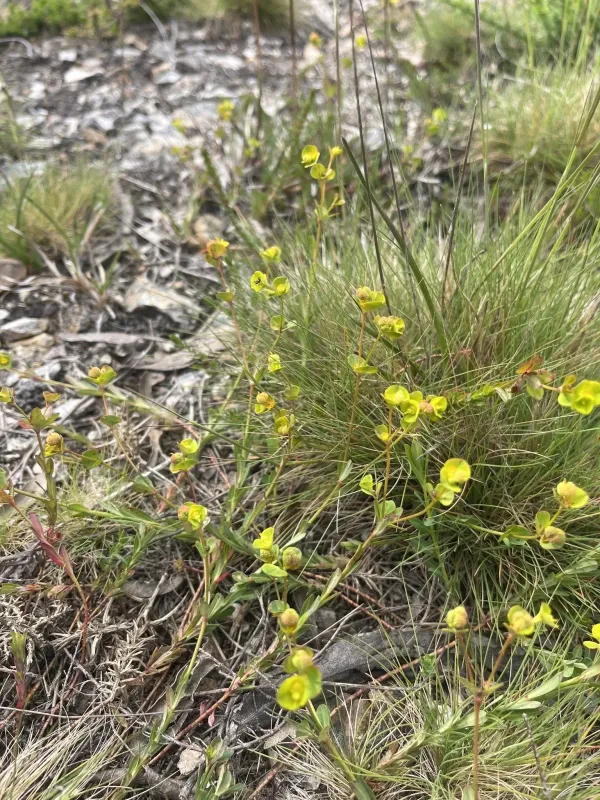
Description
Growing requirements
Euphorbia polygalifolia belongs to the extensive Euphorbiaceae family. This perennial herbaceous plant is native to mountainous regions, where it thrives in rocky, well-drained soils and harsh microclimates.
The crop requires full sun exposure to maintain its compact growth form and intense foliage color. Shaded areas are detrimental to the plant, often resulting in etiolated stems and reduced overall vitality.
Soil requirements are relatively specific: the plant demands excellent drainage. While it can adapt to various soil types, sandy or gravelly loam substrates that mimic its natural habitat provide the best results for healthy development.
Temperature tolerance is a hallmark of this species. It shows remarkable resilience to drought and heat, while also surviving moderate frost when the soil is kept sufficiently dry during the winter dormancy period.
In agricultural and landscaping contexts, it is highly valued for erosion control on slopes and as a structural element in rock gardens. Its ability to thrive in low-nutrient environments makes it a sustainable choice for xeriscaping.
Main diseases and pests
The primary threats to Euphorbia polygalifolia are soil-borne pathogens, particularly root rot caused by Phytophthora or Pythium species. These occur almost exclusively when the soil remains waterlogged for extended periods.
Pest pressure mainly comes from aphids, which target the tender new growth during the spring season. In exceptionally dry and hot summers, spider mites may also pose a risk to the foliage.
Effective management involves maintaining proper spacing between individual plants to ensure adequate air circulation. Good airflow significantly reduces the risk of fungal outbreaks within dense plantings.
If chemical intervention is necessary, systemic insecticides can be used for aphids, while copper-based fungicides are typically effective against early-stage foliar fungal infections.
Operators must exercise caution regarding the plant's milky latex, which acts as a deterrent to herbivores. The sap is a known irritant and can cause dermatitis; therefore, gloves and eye protection are recommended during all pruning operations.