
Euphorbia polycnemoides
Euphorbia polycnemoides
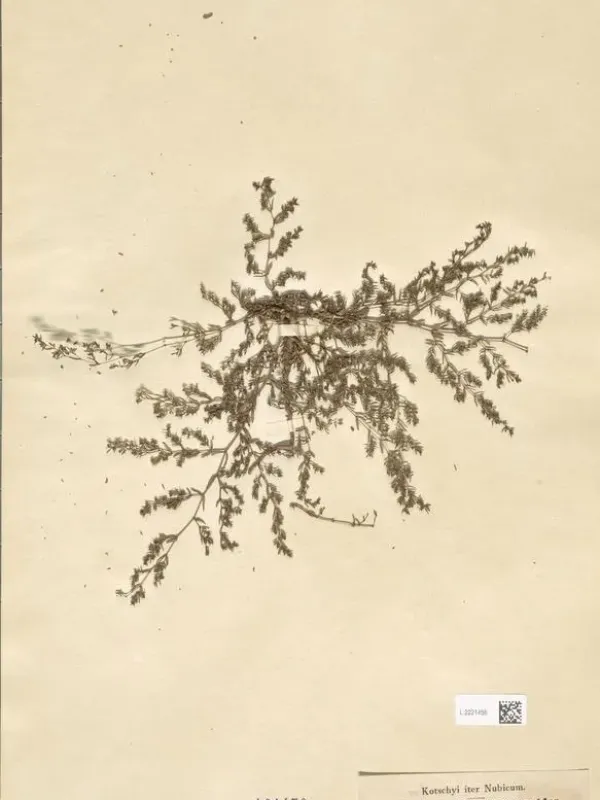
Description
Growing requirements
Euphorbia polycnemoides is a member of the Euphorbiaceae family. While primarily categorized as a ruderal or weed species within agricultural systems, its physiological traits represent an interesting example of adaptation to harsh environmental conditions and low-resource habitats.
Originating from semi-arid regions, the species is widely distributed in environments where soil moisture and nutrient content fluctuate significantly throughout the growing season. Its geographical range covers open field sites and waste areas where it effectively competes with other plant species.
The plant thrives in well-drained, sandy, or light loam soils with a neutral pH level. It displays a remarkable ability to extract water from deep soil profiles, which is a critical evolutionary advantage allowing it to maintain metabolic activity during the mid-summer droughts.
In terms of climate, Euphorbia polycnemoides requires a significant amount of heat accumulation, usually characteristic of steppe climates. It is highly sensitive to total shade, necessitating direct exposure to solar radiation to complete its phenological cycles, including blooming and seed set.
Morphologically, the plant presents a branched structure with succulent-like features, contributing to its drought tolerance. Its photosynthetic pathways are optimized for high-temperature environments, often allowing it to outperform standard crops when soil fertility is compromised.
Main diseases and pests
The most effective management strategy against this species involves timely cultivation and crop rotation techniques that disrupt its annual reproductive cycle. Due to the milky latex present in the plant tissues, it is generally unpalatable to most agricultural pests and insects.
Pathogen susceptibility is relatively low; however, the plant can occasionally serve as a reservoir for viruses that affect related crop families. Fungal infections, such as rusts, occur sporadically when the plants are grown in extremely high-density populations with poor air circulation.