
Euphorbia pithyusa
Euphorbia pithyusa
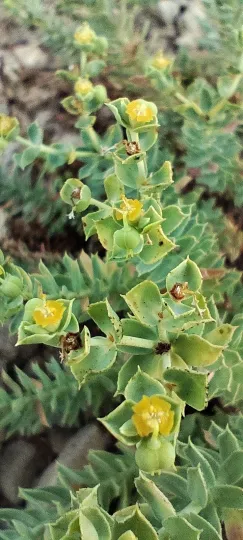
Description
Sowing dates
Euphorbia pithyusa is a perennial herb belonging to the Euphorbiaceae family. It is native to the Mediterranean region, where it has adapted to harsh environmental conditions.
Propagation is primarily performed through seeds, which require stratification for successful germination. Sowing is best carried out in late autumn or early spring in a well-drained medium.
Seeds should be covered with a thin layer of soil. Maintenance of moderate moisture levels is crucial during the initial germination phase to ensure healthy seedling development.
Alternatively, professional growers may utilize division of mature clumps to ensure faster establishment of the plant in a new location.
Choosing a site with sufficient room for expansion is essential, as the plant develops a wide root system over several years of growth.
Growing requirements
This species is highly drought-tolerant and thrives in full sun. It is specifically adapted to Mediterranean climates with long, hot, and dry summers.
The ideal substrate for Euphorbia pithyusa is well-draining, sandy, or rocky soil. The plant does not tolerate heavy, waterlogged clay soils, which lead to root rot.
It prefers neutral to slightly alkaline soil pH. Excellent air circulation is mandatory for the plant to remain healthy and vibrant throughout the growing season.
As a xerophyte, it requires minimal supplemental irrigation once established. Overwatering is the most common mistake in the management of this culture.
The plant is remarkably resistant to coastal conditions, such as salt spray, making it an excellent choice for maritime landscaping and xeriscaping.
Main diseases and pests
Euphorbia pithyusa possesses a caustic milky sap that provides significant protection against many common agricultural pests and herbivores.
Root rot caused by Phytophthora or Pythium species remains the most significant threat to the plant, usually triggered by poor drainage or excessive soil moisture.
Powdery mildew may occur in areas with poor ventilation or high humidity, necessitating the use of systemic fungicides if the infection becomes widespread.
Occasional infestations of aphids or spider mites can be managed with insecticidal soaps or by improving environmental conditions to reduce plant stress.
Prevention remains the most effective management strategy: maintaining dry soil conditions and ensuring adequate space between individuals will prevent most disease outbreaks.