
Euphorbia piscidermis
Euphorbia piscidermis
Description
Growing requirements
Euphorbia piscidermis is a rare and highly sought-after succulent belonging to the Euphorbiaceae family. It is native to specific mountainous regions in Ethiopia, where it grows among rocks, well-adapted to extremely arid conditions.
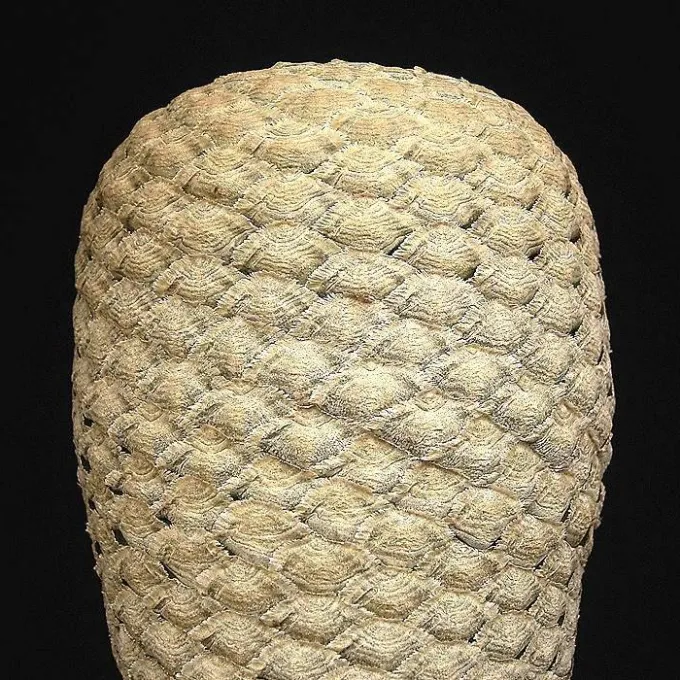
The plant is renowned for its spherical stem covered in dense, scale-like tubercles that mimic the appearance of fish skin. This unique morphology serves as a survival mechanism to minimize water loss under harsh environmental exposure.
Cultivation requires bright, indirect light to maintain the plant's compact shape. While it thrives in intense light, direct scorching sun should be avoided in greenhouse environments to prevent skin damage to its specialized epidermis.
A highly porous, inorganic-based soil mix is mandatory for this species. A substrate composed primarily of pumice, coarse sand, and grit ensures rapid water drainage, preventing the catastrophic root rot common in this slow-growing plant.
Temperature management involves warm summer conditions paired with a strictly cool and dry winter dormant period. Maintaining temperatures around 10–12 degrees Celsius during winter helps simulate its native climate and encourages healthier spring growth.
Main diseases and pests
The primary threat to Euphorbia piscidermis is overwatering, which quickly leads to root and stem decay. Once rot begins, the plant's slow metabolic rate makes recovery nearly impossible, often resulting in total loss of the specimen.
Pests such as mealybugs can infiltrate the crevices between the plant's scales. These pests are difficult to remove manually without damaging the fragile tubercles, necessitating the use of targeted and safe systemic pesticides.
Poor airflow in the cultivation area can lead to fungal infections. Because the scales provide small niches for moisture to trap, stagnant air quickly encourages pathogens that can cause dark, necrotic spotting on the plant surface.
Like many members of the Euphorbiaceae, the plant contains a toxic milky sap. This latex can cause severe skin irritation and is dangerous if it comes into contact with eyes, so gloves should always be worn during handling.
Regular monitoring is the best form of pest management. Keeping the plant in a clean, well-ventilated space with strictly controlled watering schedules will significantly reduce the risk of common succulent diseases and infestations.