
Euphorbia piscatoria
Euphorbia piscatoria
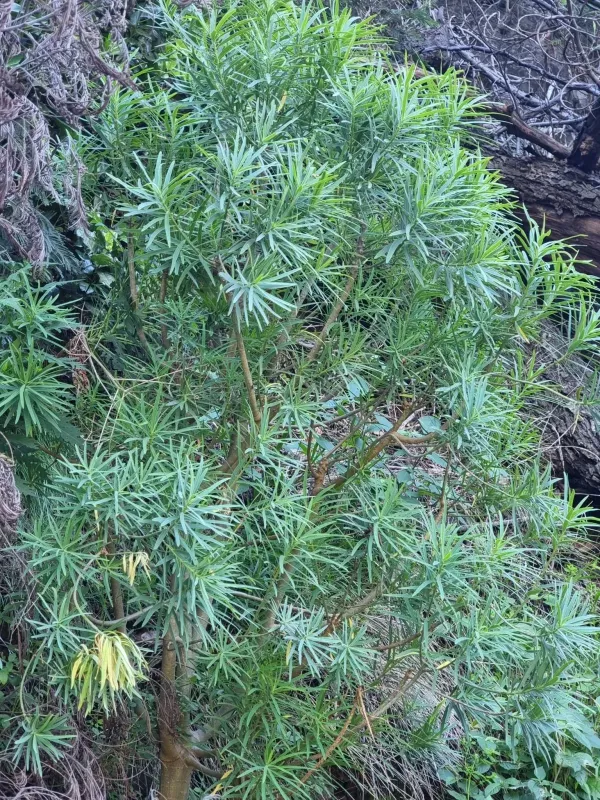
Description
Growing requirements
Euphorbia piscatoria is a perennial succulent shrub belonging to the Euphorbiaceae family. This species is endemic to the island of Madeira, where it thrives in rugged, rocky terrains and maritime cliff environments.
The plant is highly adapted to arid conditions and intense solar radiation. It requires well-draining, gritty soil and is exceptionally intolerant to waterlogged roots, which often leads to rapid decay in non-native climates.
Cultivation practices focus on simulating its native Mediterranean-like conditions. Proper airflow around the foliage and roots is essential to prevent physiological stress and promote the development of its distinctive woody stems.
Biologically, the plant exhibits a complex growth cycle characterized by the production of caustic, milky sap, which is typical for the genus. The flowers, while small, are arranged in specialized cyathia structures, which are vital for local insect pollination.
Historically, this plant gained its common name due to the use of its latex by fishermen to stupefy fish in tide pools. Today, its utility is focused on xeriscaping and scientific interest in its secondary metabolites.
Main diseases and pests
The most significant threat to the health of Euphorbia piscatoria is fungal infection of the root system caused by inadequate soil drainage or excessive irrigation cycles.
Pest management should focus on monitoring for scale insects and aphids, which can infiltrate the plant's succulent tissues. Maintaining a dry, well-ventilated environment significantly reduces the risk of such infestations.