
Euphorbia petiolata
Euphorbia petiolata
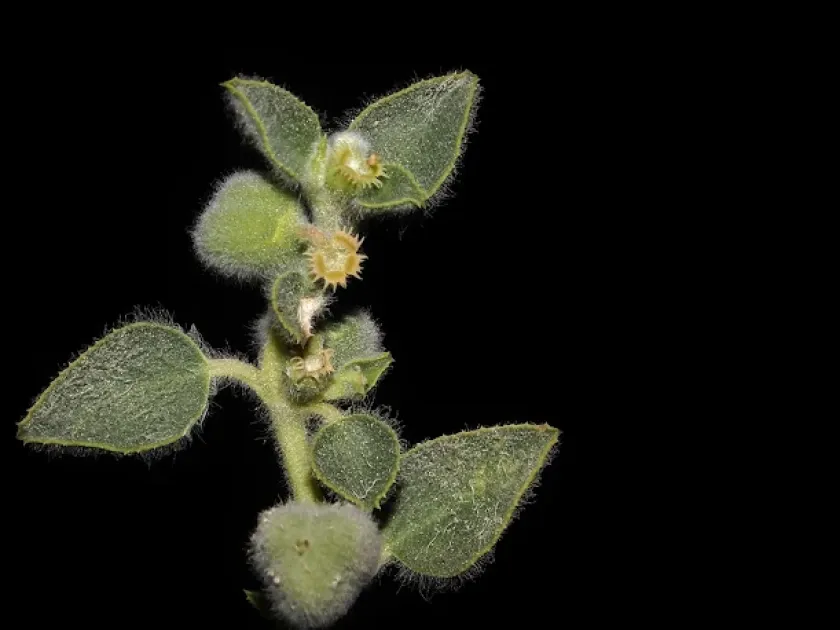
Description
Growing requirements
Euphorbia petiolata is an annual herbaceous plant belonging to the Euphorbiaceae family. This species originates from arid habitats and is well-adapted to high temperatures and intense sunlight, making it a robust candidate for cultivation in specific climatic zones.
Botanically, the plant is characterized by its succulent-like properties and the presence of specialized laticifers that produce milky sap. The root system is deep and expansive, allowing the plant to exploit deep water reserves in the soil profile during dry spells.
The optimal soil for this crop is light-textured, sandy, or gravelly loam with excellent permeability. The plant does not tolerate heavy or waterlogged soils, which can lead to rapid root decay and loss of vigor within a short time frame.
Climatic requirements focus on a high heat sum throughout the growing season. Frost is detrimental to its survival, and prolonged cold spells will significantly stunt the plant's development and reduce its yield potential substantially.
Agronomic management should prioritize the prevention of competition from weeds, especially during the early establishment phase. Once established, the plant shows good resilience, but consistent moisture management is key to maintaining high metabolic rates.
Main diseases and pests
The crop is vulnerable to various sucking insects, with aphids being the most common threat. These pests colonize the apical meristems and undersides of leaves, draining nutrients and potentially transmitting pathogens that stunt growth.
Fungal pathogens such as powdery mildew represent a significant risk, particularly when humidity levels remain high or air circulation is poor within the planting rows. Strategic spacing and pruning can help mitigate these risks effectively.
Root rot caused by soil-borne pathogens is a common issue in poorly drained fields. Implementing strict sanitation protocols and using treated seeds can drastically reduce the incidence of these destructive soil-borne infections.
Managing the plant density is essential to reduce the spread of airborne diseases. Overcrowding creates a microclimate conducive to rapid fungal growth and restricts the efficiency of chemical or biological control applications.
Proactive monitoring of the crop is mandatory for sustainable production. Integrated Pest Management (IPM) techniques should be employed to balance the control of populations with the need for environmental preservation and safety.