
Euphorbia peritropoides
Euphorbia peritropoides
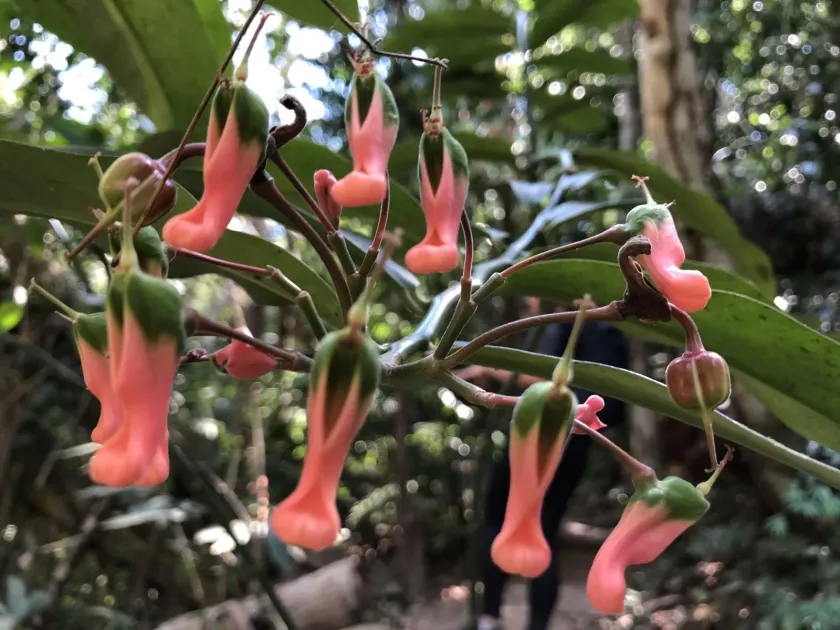
Description
Growing requirements
Euphorbia peritropoides is a distinct species belonging to the Euphorbiaceae family. This plant is known for its succulent nature, which allows it to thrive in environments with significant water scarcity and high solar irradiance.
The crop requires sandy, well-draining soil types to maintain healthy root development. It is highly intolerant of waterlogged conditions, making proper soil preparation and drainage systems essential components of its agricultural management.
Climate requirements for this species include high light intensity and warm temperatures. It is well-adapted to arid regions where traditional crops might struggle with heat stress and prolonged drought periods during the peak season.
Agricultural management should focus on avoiding over-irrigation. Nitrogen application should be strictly controlled, as an excess of this nutrient can lead to structural weakness and increased susceptibility to physiological disorders within the plant tissue.
Propagation is typically carried out through seeds or cuttings. Care must be taken when handling the plant, as it contains a milky, potentially irritating sap, requiring personal protective equipment for all laborers working in the field.
Main diseases and pests
Root rot is the most common and devastating disease affecting this species. It is primarily caused by fungal pathogens that flourish in overly moist soil conditions, necessitating strict control over irrigation schedules.
Mealybugs are the most frequent insect pests. They hide in the plant's crevices, feeding on sap and excreting a sticky substance that encourages the growth of sooty mold, which impairs the plant's photosynthetic capacity.
Spider mites represent a significant threat during periods of low atmospheric humidity. They cause stippling and yellowing of the stems, leading to severe vigor loss if not treated with appropriate acaricides promptly.
Integrated pest management strategies should include regular field scouting to identify infestations early. Preventive cultural practices, such as maintaining proper plant spacing, help minimize the spread of both pests and diseases.
In cases of severe infestation, systemic insecticides are recommended, although their application must be timed carefully to avoid potential harm to non-target organisms within the local ecosystem.