
Small-flowered spurge
Euphorbia parviflora
Description
Growing requirements
Small-flowered spurge (Euphorbia parviflora) is a member of the Euphorbiaceae family. This annual herbaceous plant is primarily native to tropical and subtropical Asia, where it thrives as a vigorous species capable of colonizing disturbed soil environments. It is recognized in agronomy both for its botanical uniqueness and its presence as a spontaneous species in field margins.
The plant prefers well-drained, fertile soils with a sandy loam or clay composition. It exhibits high tolerance to various soil pH levels, ranging from slightly acidic to neutral. Ensuring adequate soil aeration is crucial for the development of its root system, which helps the plant stabilize in various environments.
Climate requirements for Euphorbia parviflora focus on heat and high light intensity. Being a warm-season plant, it grows best when temperatures stay consistently between 20°C and 30°C. It does not tolerate frost, and any exposure to sub-zero temperatures will lead to immediate tissue damage and cessation of growth.
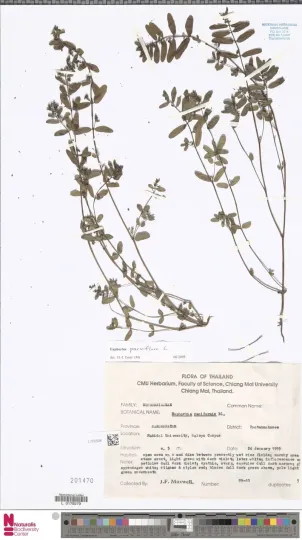
Botanically, the plant is characterized by a branched stem and lanceolate leaves. The inflorescence consists of cyathia, a specialized structure unique to the Euphorbia genus. The presence of milky latex, which exudes when the plant is damaged, serves as a primary chemical defense mechanism against generalist herbivores.
While not a major commercial crop, it is studied for its chemical profile, particularly for secondary metabolites. In controlled agricultural settings, it is valued for research into natural products. Agronomic management involves maintaining wide spacing to prevent moisture buildup and ensuring sufficient sunlight for optimal vegetative production.
Main diseases and pests
The main threats to the health of this species include fungal infections such as powdery mildew and rust, which often occur in high-humidity conditions. Proper irrigation management, where water is directed towards the root zone rather than the foliage, is the most effective cultural practice for preventing these issues.
Pests like aphids and spider mites are common threats that target the soft, growing tissues of the spurge. In cases of significant infestation, it is necessary to utilize specialized botanical insecticides or bio-control agents to manage population density without harming the beneficial pollinators attracted to the small flowers.