
Euphorbia parvicyathophora
Euphorbia parvicyathophora
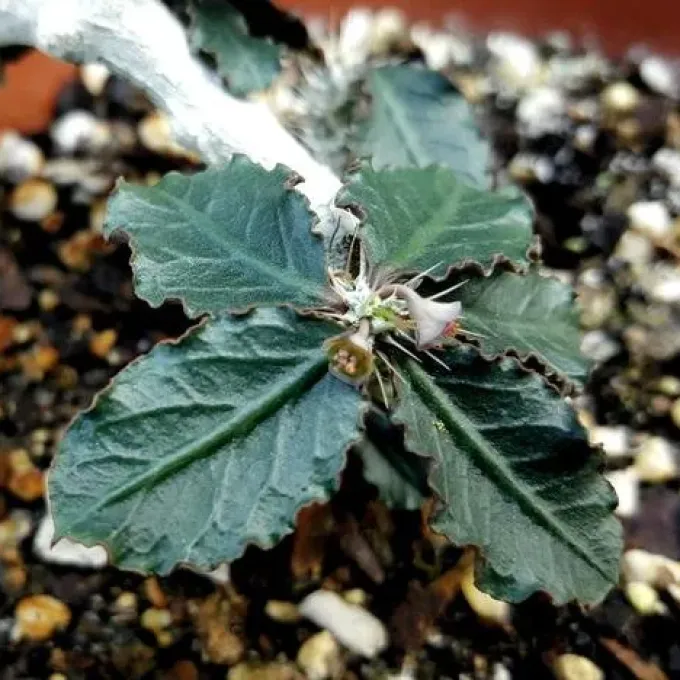
Description
Growing requirements
Euphorbia parvicyathophora is a distinctive succulent species belonging to the Euphorbiaceae family. It is a slow-growing plant endemic to Madagascar, characterized by its dwarf, succulent stems and specialized morphology adapted to arid environments.
To successfully cultivate this species, high levels of solar radiation are required. It performs best in a greenhouse or on a bright windowsill with direct sun exposure. Lack of light causes etiolation, which permanently damages the aesthetic structure of this miniature plant.
Soil composition must be inorganic and extremely well-draining. A mix consisting of volcanic rock, coarse sand, and a minimal amount of organic matter is ideal. The pot must have sufficient drainage holes to ensure that the roots do not remain in contact with moisture.
Temperature management is critical for the survival of the plant. It requires warm temperatures ranging from 22°C to 28°C during the growing season. In winter, the plant enters a mandatory dormancy phase and should be kept in cooler, dry conditions around 12°C to 15°C.
The use of this plant is strictly limited to private collections and botanical gardens due to its rarity and specific horticultural requirements. It is considered an advanced-level succulent that demands strict discipline in irrigation cycles to prevent physiological disorders.
Main diseases and pests
Root rot is the primary threat to Euphorbia parvicyathophora, usually caused by improper watering techniques. Once rot sets in, it spreads rapidly through the succulent tissues, often making the plant irrecoverable within a very short period.
Mealybugs are the most common pests found on this species. They aggregate in the grooves of the stem, making them difficult to detect and treat. Their presence leads to stunted growth and the potential for secondary fungal infections.
Spider mites can also be problematic if the plant is kept in an environment with poor air circulation and extremely low humidity. They pierce the surface of the stem, leading to visible scarring and loss of vigor.
Scale insects can occasionally infest the plant, creating hard, protective bumps on the stems. These pests are resilient and require targeted application of systemic pesticides or manual removal with alcohol-soaked tools.
The white, caustic latex sap produced by the plant serves as a natural defense mechanism. While it protects against many insects, it is also toxic to humans. Proper protective gear must be worn when performing any maintenance or pest control procedures.