
Euphorbia papillosa
Euphorbia papillosa
Description
Growing requirements
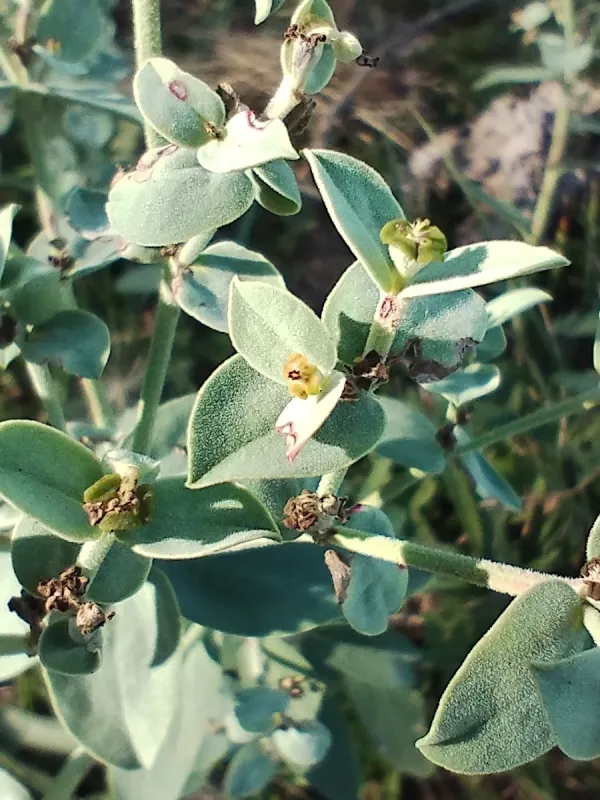
Euphorbia papillosa is a succulent plant belonging to the large and diverse Euphorbiaceae family. Originating from arid regions in Africa, it has evolved to thrive in harsh environments characterized by prolonged periods of drought and high temperatures.
Botanically, this species is defined by its distinct papillary outgrowths covering the stem. These structures are not only visually striking but also serve an ecological function by helping the plant regulate water retention and maintain hydration levels in a hot climate.
Cultivation requirements involve a specialized substrate that provides excellent drainage. A mix of pumice, coarse sand, and well-draining soil is essential to prevent moisture accumulation around the root zone, which the plant cannot tolerate.
The plant requires bright, indirect sunlight to maintain its structural integrity and health. In home or greenhouse settings, it is best placed in a location where it receives light throughout the day, avoiding harsh, direct midday sun that may scorch the tissues.
In terms of economic use, Euphorbia papillosa is primarily cultivated for the horticultural and ornamental plant trade. Its architectural form makes it a staple for succulent enthusiasts and professional interior landscape designers looking for drought-tolerant, low-maintenance vegetation.
Main diseases and pests
Root and stem rot remain the primary threats to the health of this culture. These issues are almost exclusively caused by overwatering or the use of substrates that hold water for too long, which inevitably invites pathogenic fungi.
Mealybugs are the most common pests, as they easily conceal themselves within the papillary texture of the stem. Their presence can significantly weaken the plant, leading to stunted growth or secondary infections if left untreated.
Proper air circulation is critical to prevent pest infestations and fungal growth. Keeping the growing area ventilated helps mimic the natural breezy conditions of the plant's native habitat and creates a hostile environment for many pathogens.
Regular inspection is the best form of defense. Growers should check the gaps between the stem outgrowths periodically. If an infestation is spotted, manual removal with an alcohol-dipped cotton swab is often an effective first step before chemical treatment.
Always handle this plant with care, wearing gloves to avoid contact with the white, milky latex sap. This substance is known to be a skin irritant and can be harmful if it comes into contact with the eyes or mucous membranes.