
Euphorbia paganorum
Euphorbia paganorum
Description
Growing requirements
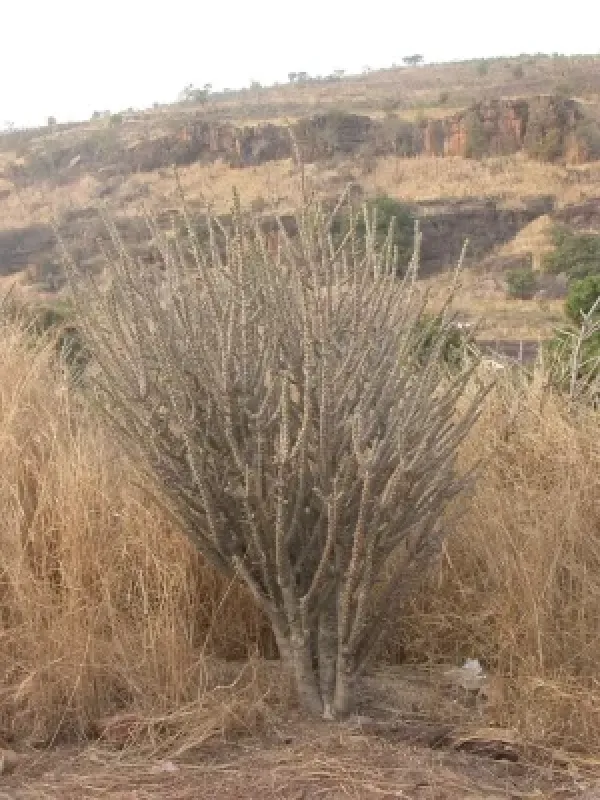
Euphorbia paganorum is a succulent species belonging to the Euphorbiaceae family. Originating from arid regions of Africa, this plant has evolved specialized morphological features, including thickened, fleshy stems, which allow it to store water efficiently during extended periods of drought.
The agronomic management of this culture focuses on replicating its native environmental conditions. It requires high solar irradiance and should be positioned in areas with maximum exposure to natural sunlight to maintain its structural integrity and prevent etiolation of the succulent stems.
The substrate must be highly inorganic and possess excellent drainage properties. A recommended mix for commercial cultivation includes coarse sand, perlite, and volcanic rock, ensuring that excess moisture is rapidly drained away from the root system to prevent anaerobic conditions in the soil.
Temperature control is essential for the healthy development of Euphorbia paganorum. The plant thrives in warm environments, ideally between +22°C and +30°C. During the dormant phase, it is critical to lower the temperatures to a range of +10°C to +15°C to simulate natural seasonal cycles.
The irrigation strategy must be strictly regulated. Watering should occur only when the substrate is completely dry to the touch. During the active growth phase, moisture should be provided in moderation, while water should be almost entirely withheld during the winter rest to ensure the plant's health.
Main diseases and pests
Common pests affecting this species include mealybugs, which can colonize the stem surfaces and damage the plant's epidermis. Regular scouting and the application of appropriate contact insecticides are necessary to control these infestations before they spread significantly.
Fungal infections, specifically those leading to stem rot, are the primary disease threats. These pathogens typically emerge due to high humidity or insufficient ventilation. Maintaining a dry environment and using well-draining soil are the most effective preventive measures against these threats.